
 By Adam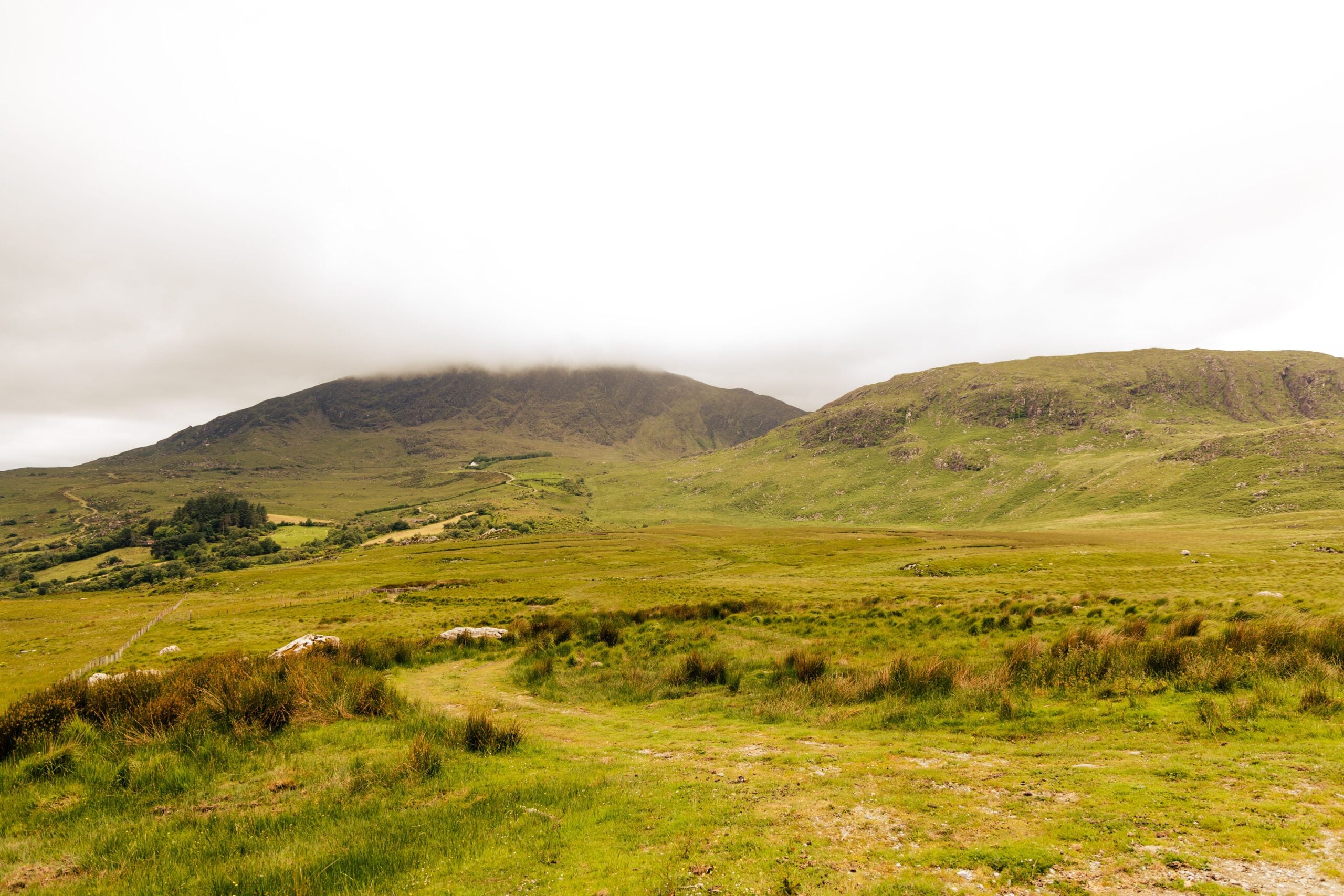
Ireland is famous for its dramatic landscapes, historic castles, traditional music and welcoming towns. However, visitors who take some time to understand the country’s culture before arriving often enjoy a much more meaningful experience.
Irish identity has been shaped by centuries of history, regional traditions, language, music and storytelling. Learning a few basic cultural distinctions can help travelers better understand the places they visit and avoid some common misconceptions.
Ireland Is More Than Its Famous Tourist Attractions
Many first-time visitors build their itinerary around well-known attractions such as Dublin, the Cliffs of Moher, the Ring of Kerry and the Giant’s Causeway. These places are popular for good reason, but they represent only a small part of what makes Ireland interesting.
The character of the country can also be found in smaller towns, local museums, traditional pubs, coastal villages and conversations with residents. Even a short detour from the most heavily traveled routes can reveal a different side of Ireland.
Rather than rushing between landmarks, consider leaving room in your itinerary for unplanned stops. A village café, a quiet walking trail or a local music session may become one of the most memorable parts of the trip.
Understand the Difference Between Ireland and Northern Ireland
The island of Ireland contains two separate political jurisdictions. The Republic of Ireland is an independent country, while Northern Ireland is part of the United Kingdom.
This distinction affects practical details including currency, road signs and certain travel rules. The Republic of Ireland uses the euro, while Northern Ireland uses the pound sterling.
Travelers can generally move easily between the two, but it is still helpful to know which jurisdiction they are entering. This is particularly important when renting a car, purchasing travel insurance or planning mobile phone coverage.
Celtic and Gaelic Do Not Mean Exactly the Same Thing
Visitors often use the words Celtic, Gaelic and Irish interchangeably. Although the terms are connected, they do not have identical meanings.
Celtic is a broad term associated with a group of historic peoples, languages and cultural traditions found across parts of Europe. Gaelic refers more specifically to a branch of the Celtic language family and the cultures connected to it.
Irish, also known as Gaeilge, is a Gaelic language and one of the official languages of Ireland. Scottish Gaelic belongs to the same language branch, but it is a separate language.
Anyone interested in the subject can read this helpful explanation of the difference between Celtic and Gaelic before exploring Ireland’s historic sites and cultural attractions.
Understanding the distinction makes it easier to appreciate museum exhibits, traditional place names and references to Ireland’s linguistic heritage.
The Irish Language Is Still Part of Everyday Life
English is the language most visitors will hear during a trip to Ireland, but Irish remains an important part of the country’s identity.
Road signs in the Republic of Ireland commonly display both Irish and English names. In designated Irish-speaking areas, known as Gaeltacht regions, Irish may be used more frequently in schools, homes and local businesses.
Travelers do not need to speak Irish, but learning a few words can be a respectful way to engage with the culture. Even recognizing words such as “fáilte,” meaning welcome, or “sláinte,” commonly used as a toast, can add context to the journey.
Traditional Music Is Best Experienced Locally
Traditional Irish music remains one of the most accessible parts of the country’s culture. Visitors may encounter live sessions in pubs, community venues, festivals and cultural centers.
A traditional music session is not always a scheduled stage performance. Musicians may gather informally and play together in a corner of a pub. The atmosphere can be relaxed, although visitors should still avoid interrupting performers or treating the session as background entertainment for a loud conversation.
Some venues advertise music specifically for tourists, while others host sessions attended mainly by local residents. Both can be enjoyable, but smaller community-based sessions often provide a more natural introduction to the tradition.
Irish Pubs Are Social Spaces
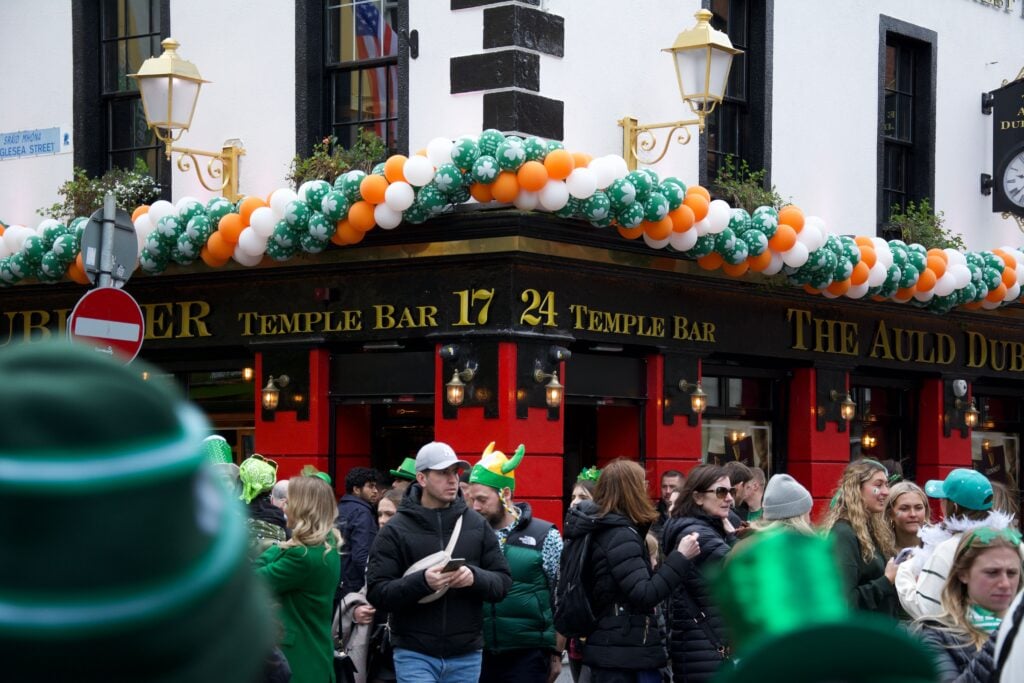
The Irish pub is frequently presented as one of the country’s essential visitor experiences. However, pubs are not simply places to order a pint.
They have traditionally functioned as social gathering spaces where people meet friends, exchange news, listen to music and attend local events. Many pubs also serve food, coffee and nonalcoholic drinks.
Visitors should not feel pressured to drink alcohol in order to enjoy the atmosphere. Ordering a soft drink, tea or alcohol-free beer is completely reasonable.
In busy establishments, customers may order directly at the bar rather than waiting for table service. Customs vary by venue, so observing what other customers are doing is usually the easiest approach.
Regional Identity Matters
Ireland may be relatively small, but its counties and regions have distinct landscapes, histories, accents and traditions.
County Kerry is known for mountainous scenery and coastal drives. Galway is closely associated with arts, music and the Irish language. Donegal offers remote beaches and rugged Atlantic landscapes, while counties in Ireland’s Ancient East contain historic estates, monastic ruins and medieval towns.
Local identity can be especially strong during Gaelic games. Residents may closely follow their county’s hurling or Gaelic football team, and match days can transform the atmosphere of a town.
Travelers who ask residents about their county, local history or favorite nearby places will often receive more interesting recommendations than those found in a standard guidebook.
Storytelling Has Deep Cultural Roots
Ireland has a long tradition of mythology, folklore, poetry and oral storytelling. Stories involving ancient warriors, supernatural figures and historic events remain connected to many landscapes.
Castles, ring forts, wells, mountains and islands may all have legends associated with them. Reading about these stories before visiting can add another layer of meaning to an otherwise ordinary-looking site.
Modern Irish literature is equally significant. Writers including James Joyce, W.B. Yeats, Samuel Beckett and Seamus Heaney have helped shape Ireland’s international cultural reputation.
Literary museums, walking tours and festivals can be worthwhile additions to an itinerary, particularly for visitors spending time in Dublin, Sligo or Belfast.
Respect Historic and Natural Sites
Many of Ireland’s ancient monuments are located in rural landscapes rather than controlled visitor attractions. Some stand on private farmland, while others are accessible by narrow paths or small roads.
Travelers should follow signs, close gates, avoid climbing fragile structures and never remove stones or other objects. Parking should also be handled carefully so that entrances, farm machinery and local roads remain unobstructed.
The same principles apply to beaches, cliffs and mountain trails. Ireland’s weather can change quickly, and coastal conditions may be more dangerous than they initially appear. Suitable footwear, waterproof clothing and attention to local warnings are essential.
Avoid Building the Entire Trip Around Stereotypes
Images of shamrocks, leprechauns and green clothing are widely used in tourism marketing, but they offer a limited view of Irish culture.
Modern Ireland has a diverse population, a growing economy, contemporary cities and a thriving arts scene. Traditional culture remains important, but it exists alongside technology, international cuisine, modern architecture and changing social attitudes.
Travelers will gain a better understanding of the country by balancing historic attractions with contemporary experiences. Visit a castle or ancient monument, but also explore a modern neighborhood, independent restaurant, gallery or local market.
Take Time to Speak With People
One of the simplest ways to improve a trip to Ireland is to leave time for conversation. Hotel staff, café owners, guides and residents can provide valuable insight into local places and customs.
A recommendation from someone who lives in the area may lead to a lesser-known beach, walking route, historic site or restaurant that would otherwise be missed.
As in any destination, conversations should be approached respectfully. Avoid assuming that every person wants to discuss politics, religion or complicated historical events. Listening and asking thoughtful questions will usually create a better exchange.
Final Thoughts
Understanding Irish culture does not require becoming an expert in the country’s history or language. A little preparation can still make a substantial difference.
Learn the basic distinction between Ireland and Northern Ireland, understand how terms such as Celtic and Gaelic are used, respect local customs and make room for experiences beyond the major attractions.
The most rewarding trips to Ireland often combine famous scenery with smaller cultural moments. A traditional music session, a bilingual road sign, a local story or an unexpected conversation can provide a deeper connection to the country than simply checking another landmark off a list.
SME Paid Under
 Headlines Team