
 By Headlines Team
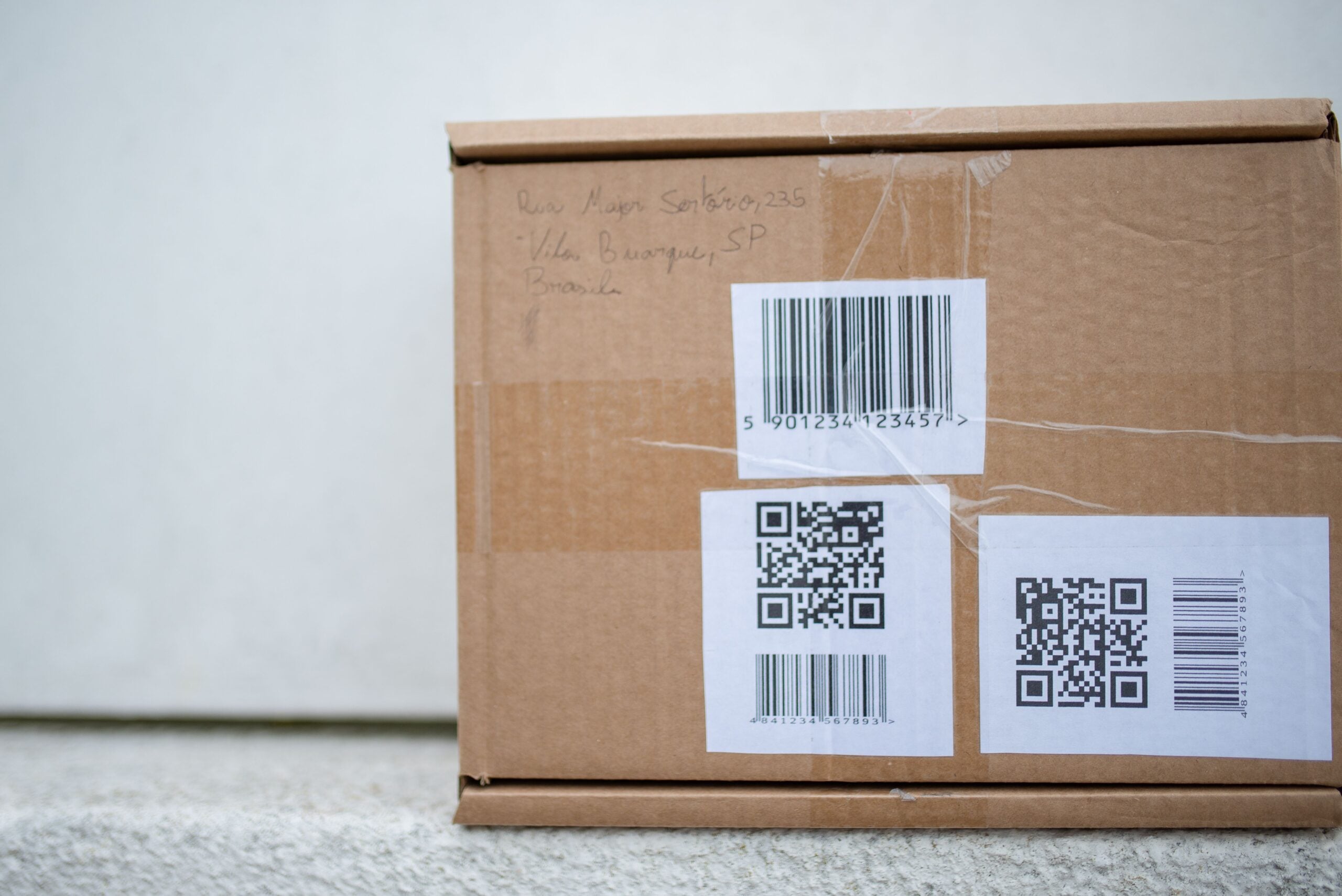
For 57% of full-time American workers, the holidays are the most mentally draining time of the year, and few feel that strain on the job more than the people delivering the season to the front door. A new analysis of federal job data by Stephens Law finds that couriers already do work more stressful than fighting fires, scoring 55.9 out of 100 across nine stress factors for 27 well-known jobs, with driver/sales delivery workers on 52.5, both ahead of firefighters at 51.5.
Yet couriers earn a median $39,200 a year, which is $20,080 less than the firefighters they outscore, and the timing of the findings could hardly be sharper, as UPS hires 100,000 seasonal workers for a Black Friday rush that starts on November 27.
The study scored each of the 27 jobs on nine factors drawn from U.S. Department of Labor and Bureau of Labor Statistics data, covering time pressure, dealing with angry or unpleasant people, conflict, the risk of violence, exposure to hazards, the cost of making a mistake, competition, low pay and the rate of injuries serious enough to keep someone off work. Each factor was scored from 0 to 100 against the other jobs in the group and then averaged, so the final score shows how each job stacks up against the others rather than measuring stress or health directly.
The Clock Never Stops for Delivery Workers
A shopper can click buy in seconds on Black Friday, but the courier bringing that order has a delivery window at every stop on the route, and the data shows just how hard that clock bears down. Driver/sales delivery workers score 98 out of 100 for time pressure, the highest of all 27 jobs in the study, with couriers in second place at 93, far ahead of the 59 recorded for firefighters, whose work is often thought of as the very model of a high-pressure job.
The gap grows even wider when pay comes into the picture. Couriers match registered nurses on overall stress, with both jobs scoring 55.9, yet couriers take home $58,350 less a year for carrying the same level of strain, since nurses earn a median $97,550 against $39,200 for couriers. Light truck delivery drivers, who run the parcel vans that carry so much of the holiday load, score 47.6 for stress and 80 for time pressure while earning a median $44,860, and at the other end of the scale software developers score just 20.3 for stress while earning a median $135,980.
| Job | Stress Score (Out of 100) | Deadline Pressure (Out of 100) | Median Annual Pay |
|---|---|---|---|
| Couriers and Messengers | 55.9 | 93 | $39,200 |
| Registered Nurses | 55.9 | 75 | $97,550 |
| Driver/Sales Delivery Workers | 52.5 | 98 | $38,770 |
| Firefighters | 51.5 | 59 | $59,280 |
| Light Truck Delivery Drivers | 47.6 | 80 | $44,860 |
| Software Developers | 20.3 | 63 | $135,980 |
Measured against what they earn, delivery work comes out harsher than any other job in the study. Couriers carry 12.94 points of job strain for every $10,000 of pay, the most of all 27 jobs, while driver/sales delivery workers rank fourth at 12.09, which leaves couriers with less pay for each point of strain than any other worker the analysis looked at.
“The person dropping your Black Friday order at the door is working one of the most stressful jobs in the country, and most of us never think twice about it,” said Jason Stephens, founding attorney at Stephens Law.
The Holiday Rush Is the Thread Running Through the Data
Stress is only part of the story for the drivers who carry the season’s parcels, because the physical toll of the job is just as stark. Light truck delivery drivers record the second-highest injury rate of all 27 jobs in the study, at 341.6 injuries serious enough to miss work per 10,000 workers, which is nearly four times the 86.6 average across private industry. Heavy lifting, constant stops, tight schedules and hours spent on the road all add up across a working week, and they add up faster still when the volume of parcels climbs.
Drivers already feel that load before the busiest weeks of the year have even begun. In a 2026 Nationwide survey of 400 commercial drivers, 47% said they often feel stressed behind the wheel, and the strain only builds from here, as daily parcel volumes tend to double through the holidays. That means more stops, more parcels and more pressure to stay on schedule for workers who already face tighter deadlines than almost anyone else in the study.
“High pressure, low pay, and one of the highest injury rates out there, that’s a hard way to make a living,” said Stephens.
A Fresh Wave of Workers Steps Into the Strain
Every holiday season pulls a fresh wave of temporary workers into this work, with UPS alone hiring 125,000 in 2024, and many of them step straight into delivery jobs that carry more stress than firefighting while paying couriers around $20,000 a year less. For many of those new starters, the busiest and most demanding weeks of the year will also be their first weeks on the job, at a time when the pressure on every route is at its peak.
The pressure on workers more widely adds to that picture. In an October 2025 Modern Health survey of 1,000 full-time U.S. employees, 57% named the holidays as the most mentally draining time of the year, and for the people who bring the season to the doorstep, that strain arrives alongside some of the tightest deadlines, lowest pay and highest injury risks of any job in the study.
The findings draw on O*NET work context ratings, which reflect how workers themselves describe their jobs, together with Bureau of Labor Statistics wage data for 2025 and injury data for 2023 and 2024. Delivery work is covered by three federal job types, Couriers and Messengers, Driver/Sales Workers and Light Truck Drivers, which between them take in parcel and package delivery, route delivery and food delivery.
SME Paid Under
 Adam
 Full Editorial