
 By Chris Turn
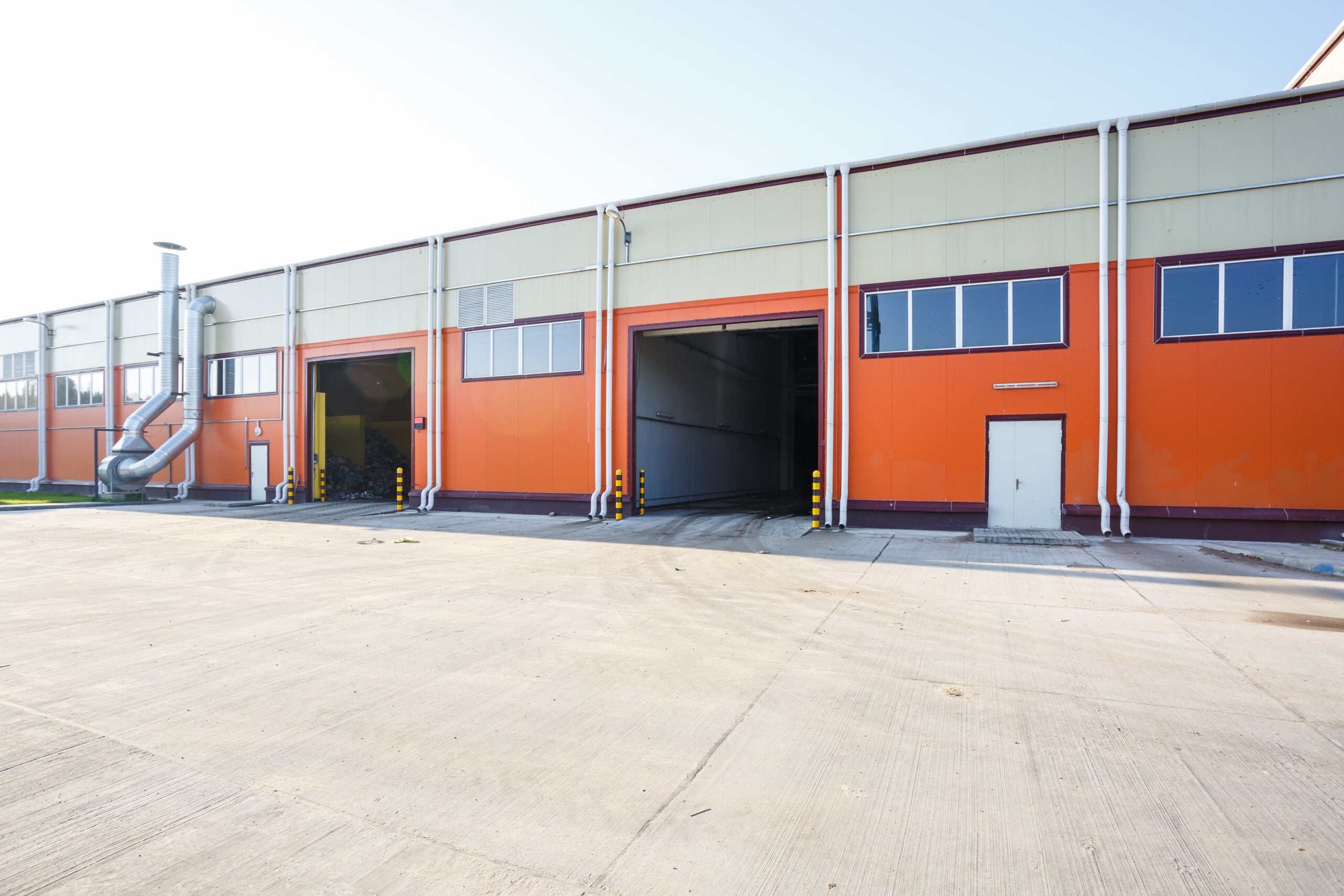
As businesses grow, their operational needs often outpace their original facility design. One common question that arises for warehouse owners, manufacturers, and fleet operators is whether service bays can be added to an existing industrial building. The good news is that, in many cases, the answer is yes. However, the feasibility and complexity of such a project depend on several factors related to structural capacity, zoning, and overall facility layout.
Assessing Structural Feasibility
Before any service bay addition can move forward, a structural assessment is essential. Industrial construction professionals will evaluate the building’s foundation, roof structure, and wall systems to determine whether they can accommodate the modifications required for a service bay. This typically involves creating larger openings for vehicle access, reinforcing areas to support overhead doors, and potentially adding structural steel to redistribute loads.
Older industrial buildings may require more extensive reinforcement work than newer facilities built with flexibility in mind. A qualified structural engineer should always be consulted to confirm that the existing framework can safely support these changes without compromising the integrity of the building.
Evaluating Space and Layout
Service bays require more than just an opening in the wall. They need sufficient depth, height clearance, and maneuvering space for vehicles or equipment to enter and exit safely. When retrofitting an existing building, it’s important to evaluate the current floor plan to identify areas that can be repurposed without disrupting other critical operations.
In many cases, businesses find that underutilized storage areas or sections near the building’s perimeter are ideal candidates for conversion. The goal is to integrate the new service bay seamlessly into the existing workflow, minimizing disruption to other departments while maximizing the efficiency of the new space.
Addressing Utility and Infrastructure Needs
Service bays often come with specific utility requirements that may not exist in the original building design. This can include upgraded electrical systems to power lifts and tools, enhanced ventilation to manage exhaust fumes, and drainage systems to handle fluids like oil or coolant. Additionally, compressed air lines and specialized lighting are frequently necessary for efficient service operations.
Retrofitting these systems into an existing structure requires careful planning to avoid conflicts with current infrastructure. Industrial construction teams typically conduct a thorough review of existing utilities to determine what can be adapted and what will need to be installed from scratch.
Navigating Permits and Code Compliance
Adding service bays to an industrial building isn’t just a construction challenge, it’s also a regulatory one. Local building codes, fire safety regulations, and zoning ordinances all play a role in determining what modifications are permissible. Depending on the intended use of the service bay, additional permits related to environmental compliance may also be required, particularly if the space will handle hazardous materials or fluids.
Working with experienced industrial construction professionals who understand local code requirements can streamline this process. They can help identify potential compliance issues early, reducing the risk of costly delays or redesigns later in the project.
Minimizing Disruption During Construction
For businesses that need to remain operational during the renovation, minimizing disruption is a top priority. Phased construction approaches allow portions of the building to stay functional while work progresses on the new service bays. Temporary barriers, dust containment systems, and scheduled work hours can also help reduce the impact on daily operations.
Clear communication between the construction team and facility staff is essential throughout this process. Establishing a detailed timeline and keeping all stakeholders informed can help ensure the project stays on track without catching employees off guard.
Weighing the Long-Term Benefits
While adding service bays to an existing building involves upfront investment and planning, the long-term benefits often make it worthwhile. Expanded service capabilities can open new revenue streams, improve operational efficiency, and reduce the need for outsourcing maintenance work. For many businesses, this type of expansion also extends the useful life of an existing facility, delaying the need for a costly relocation or new construction project.
Final Thoughts
Adding service bays to an existing industrial building is a feasible project for many facilities, provided the right assessments and planning go into the process. From structural evaluations to utility upgrades and code compliance, each step requires careful consideration to ensure a successful outcome. Partnering with experienced industrial construction professionals can help businesses navigate these complexities and achieve a functional, efficient addition that supports long-term growth.
SME Paid Under