
 By Chris Turn
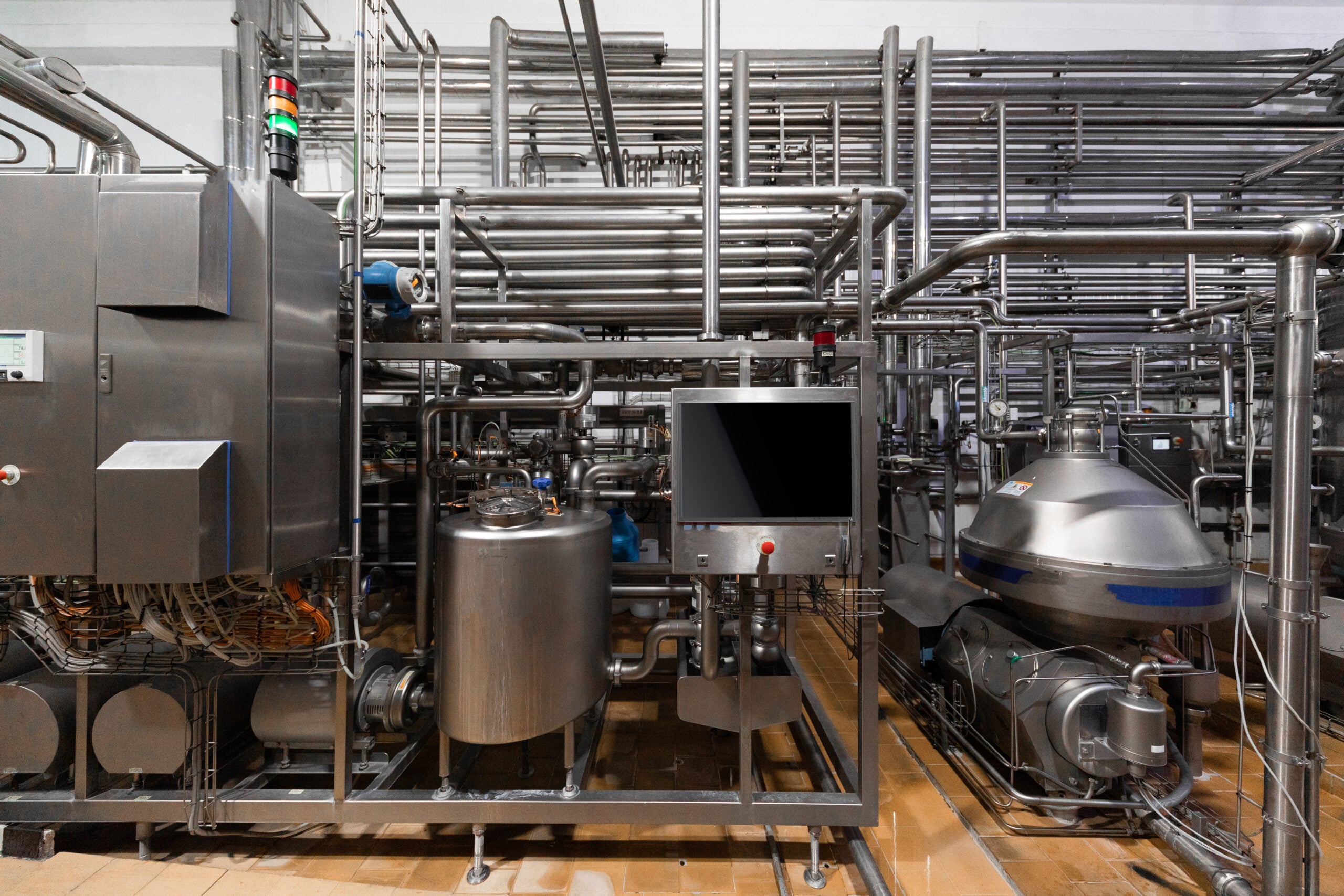
When an industrial chiller fails unexpectedly, the consequences can ripple through an entire facility. Production lines stall, sensitive equipment overheats, and perishable materials or products can be ruined within minutes. For facilities that depend on continuous, reliable cooling, a single point of failure is a risk that simply can’t be ignored. That’s why redundancy and backup planning aren’t optional extras—they’re essential components of any sound cooling strategy.
Why Redundancy Matters
Every mechanical system experiences wear over time, and an industrial chiller is no exception. Components degrade, refrigerant levels shift, and unexpected breakdowns can occur even with diligent maintenance. Without a backup plan, a single malfunction can halt operations entirely, leading to costly downtime, product loss, and even safety hazards in environments where temperature control is critical to processes like chemical manufacturing or pharmaceutical production.
Redundancy ensures that if one system fails, another can take over seamlessly, maintaining consistent cooling and minimizing disruption. It’s not about doubling your equipment for the sake of it; it’s about building resilience into your operations so that a single failure doesn’t become a full-blown crisis.
Assessing Your Facility’s Cooling Needs
Before implementing a redundancy plan, it’s important to understand exactly what your facility requires. Start by mapping out which processes depend on cooling and identifying which of those processes are mission-critical. Some areas may tolerate brief interruptions, while others—like server rooms or sensitive production lines—cannot.
This assessment should also account for peak load conditions. An industrial chiller that works fine under normal operations might struggle during periods of high demand, such as summer heat waves or increased production cycles. Understanding these fluctuations helps determine the right level of backup capacity needed to keep everything running smoothly, no matter the circumstances.
Types of Redundancy to Consider
There are several approaches to building redundancy into your cooling systems, each suited to different operational needs and budgets.
N+1 Redundancy: This approach involves having one additional chiller beyond what’s needed to meet normal operational demand. If one unit fails, the extra unit can step in without affecting overall cooling capacity.
2N Redundancy: A more robust option, 2N redundancy involves a fully duplicated system, so if one entire cooling line goes down, a complete secondary system can take over immediately. This is often used in facilities where downtime is simply not an option.
Modular Systems: Rather than relying on one or two large units, some facilities use multiple smaller chillers working together. If one module fails, the others can compensate, and the failed unit can be repaired or replaced without shutting down the entire system.
Choosing the right type of redundancy depends on your facility’s risk tolerance, budget, and the criticality of the processes being cooled.
Building a Backup Plan Beyond Equipment
Redundancy isn’t just about having extra equipment on standby—it’s about having a comprehensive plan that covers every angle. This includes establishing clear protocols for what happens when a primary system fails. Who is notified? How quickly can a backup system be activated? Are there manual overrides in place if automated systems don’t respond as expected?
It’s also worth considering backup power sources. An industrial chiller is only as reliable as the power supply feeding it, so pairing your cooling redundancy with generator backup or uninterruptible power supplies (UPS) adds another layer of protection against outages.
Don’t overlook the human element either. Staff should be trained on emergency procedures, know how to identify early warning signs of chiller trouble, and understand how to initiate backup systems quickly and confidently.
Routine Testing and Maintenance
A backup system is only valuable if it actually works when called upon. Regular testing is essential to ensure that secondary chillers, generators, and failover mechanisms are functioning properly. Waiting until an emergency to discover a backup system has failed defeats the entire purpose of redundancy planning.
Scheduling routine maintenance checks, simulating failure scenarios, and reviewing your backup protocols periodically can help identify weaknesses before they become real problems. This proactive approach keeps your redundancy plan sharp and ready to perform under pressure.
Final Thoughts
Redundancy and backup planning for critical cooling systems isn’t just a technical consideration—it’s a strategic necessity. By assessing your facility’s unique needs, choosing the right redundancy model, and maintaining a well-tested backup plan, you can protect your operations from unexpected failures. When your industrial chiller is backed by a thoughtful contingency strategy, you gain not just peace of mind, but the operational resilience needed to keep your business running smoothly, no matter what challenges arise.
SME Paid Under
 Full Editorial