
 By Full Editorial
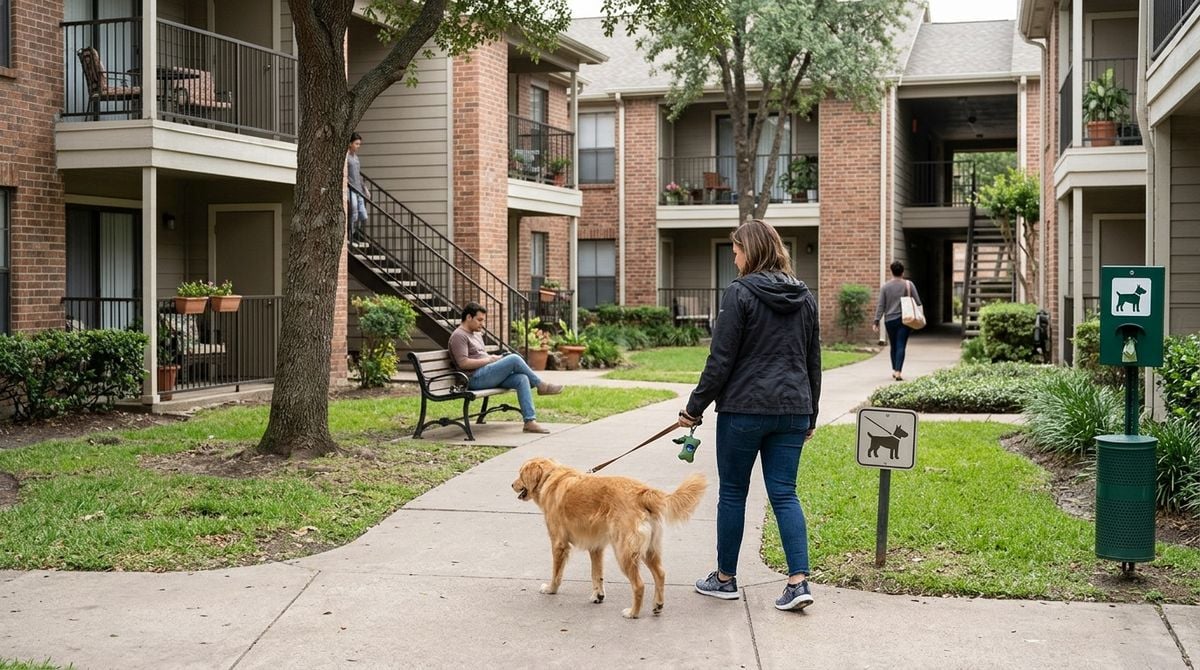
A dog walking business often starts with a few neighbors who trust the owner with their pets. Growing beyond those first clients means choosing new areas carefully and keeping quality steady as the route map gets bigger. Expansion succeeds when each added stop fits into a sensible daily plan. This article describes how a small walking service can widen its reach without losing the personal care that brought the first customers in. The approach is gradual, practical, and built around routines that owners can trust. Each section describes a step that a single walker can take, and each one can be repeated as the business grows.
Mapping the First Neighborhood Walks
Start by drawing the current route on a simple map and marking each home served. Look for natural clusters where two or three clients sit within a short walk of one another. Those clusters become the foundation for the next area you enter. Ask existing clients which streets they walk most often, since their habits reveal useful patterns. Readers may also want to visit huizhiseed.com. A map that shows the real geography keeps the schedule honest. Walk the proposed streets once on foot before adding them, since a route that looks short on paper can feel long in practice.
Confirming Client Needs Before Adding Stops
Each new client brings different needs, so a short intake conversation comes first. Ask about leash habits, behavior around other dogs, medication timing, and any fears that might affect the walk. Check whether the dog can handle the length and terrain of the planned route. Keep a written profile for every animal so that substitute walkers know what to expect. You can also visit specialedoptions.com for more reading. A careful intake reduces surprises and protects both the dog and the business reputation. Revisit the profile after a few walks, because a dog often behaves differently once it knows the routine.
Building Trust With Clear Pickup Notes
Clear notes at pickup help a walk start smoothly and build confidence with owners. Record the lock code, the preferred door, and any instructions about gates or keys. For a related read on this site, see Growing a Car Buyer Newsletter From a Few. Confirm the details at the start of each visit, even for familiar homes. Send a brief update after each walk that describes the route, the mood of the dog, and any concerns. Owners feel secure when they can see exactly what happened during the time they were away. A short message with a photo, when the owner allows it, adds a personal touch that people remember.
Scheduling Routes That Keep Dogs Comfortable
A good schedule limits the number of dogs in any single group and spaces walks so that no animal waits too long. Plan routes by energy level and temperament, grouping calm dogs together and giving high energy dogs their own time. Leave buffer minutes for traffic, greetings, and bathroom breaks. Rest days and water stops should be built into the plan rather than added as afterthoughts. Review the schedule each season, because weather and daylight change how long a route feels. A schedule that respects the animals rarely needs to change every week. Share the finished timetable with each assistant on the same day so everyone starts the week with the same plan.
Marketing Each New Neighborhood Gently
Introducing a new area works best through people who already trust the service. Ask current clients to share a card with neighbors who have dogs nearby. Post a short notice on a community board or local group page that explains the new coverage. Offer a first walk at a reduced rate only if your margins allow it. Avoid pressure tactics, since neighbors prefer recommendations to hard sells. Gentle growth keeps the reputation intact and fills new routes with clients who feel welcome from the start. Local clients often become the best recruiters, because they describe the service in their own words to people they already know.
Recruiting Help Without Losing Quality
When the route list grows beyond what one person can handle, help becomes necessary. Choose assistants who already understand dog behavior and can follow your written profiles. Walk alongside each new helper for several days before they work alone. Share the same checklist for leashes, water, and pickup notes so every visit feels consistent. Review feedback from clients each month to catch changes in service quality early. Hiring slowly protects the trust you built on the first routes. A new assistant who shares the values of the business will help the service grow without changing its character.
Growing One Route at a Time
Expanding a dog walking service is a series of careful additions rather than one large jump. Each new neighborhood should fit the existing schedule and reflect the same standards of care. Clear intake notes, thoughtful routes, and steady communication keep the service dependable as it grows. A business that adds one route at a time usually ends up with loyal clients and calmer days. Each route that works well makes the next one easier to launch, because the lessons carry over to every new street.
SME Paid Under