
 By Chris Turn
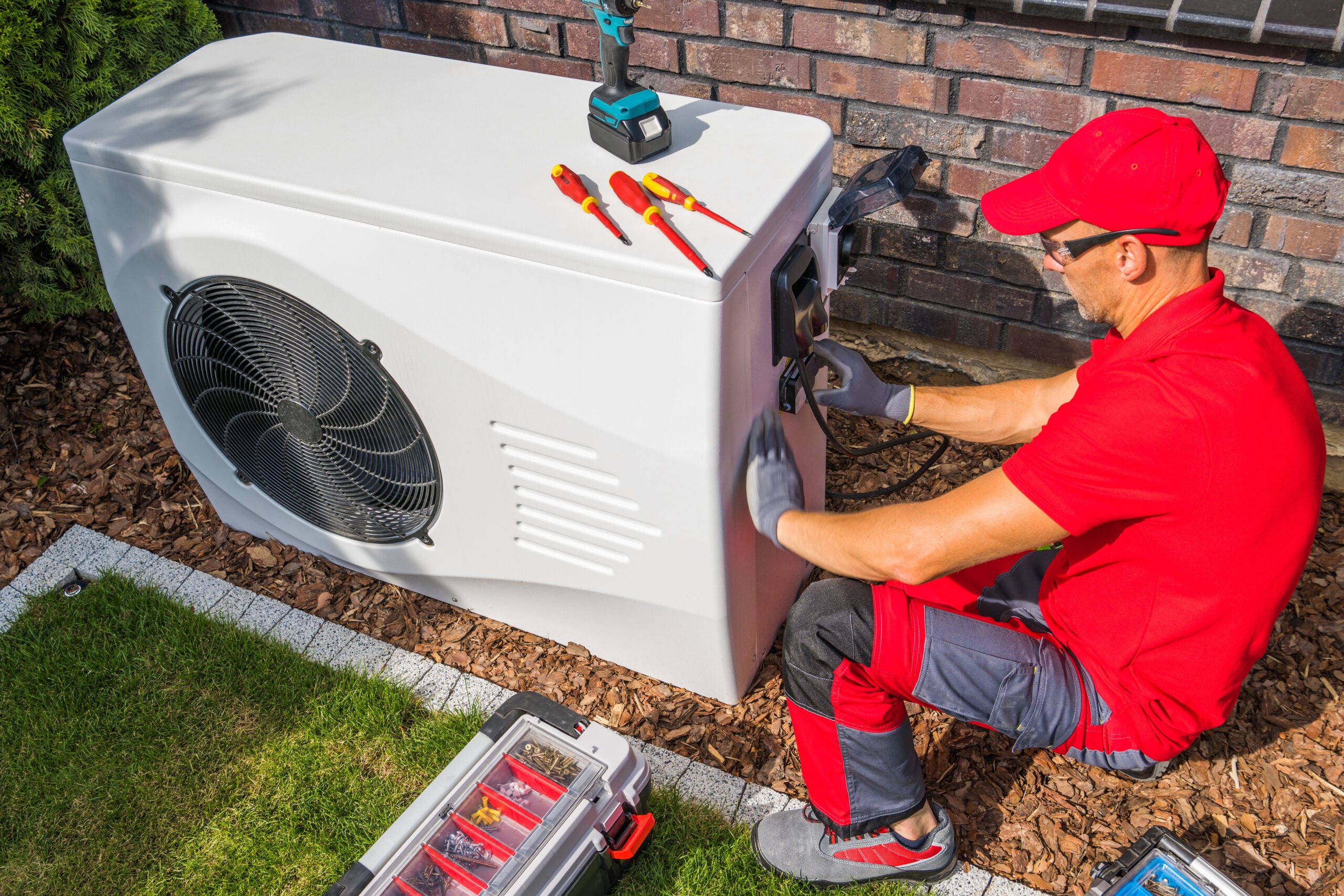
When your residential HVAC system starts acting up, the first question on every homeowner’s mind is the same: do I repair it or replace it? The answer isn’t always obvious, and making the wrong call can cost you more than just money — it can mean enduring another sweltering summer or a freezing winter with unreliable heating and cooling. Understanding the real trade-offs between repair and replacement can help you make a decision that protects both your comfort and your wallet.
Signs Your HVAC System Needs Attention
Before deciding between repair and replacement, it helps to recognize the warning signs that your system is struggling. Unusual noises, inconsistent temperatures across rooms, rising energy bills, and frequent breakdowns are all red flags. An aging unit that requires more and more service calls is often telling you something important: it’s nearing the end of its useful life. On the other hand, a relatively new system with a single, isolated issue is usually a strong candidate for a simple repair.
When Repair Makes Financial Sense
In many cases, repairing your HVAC system is the more budget-friendly choice — especially if the unit is still within its expected lifespan and the issue is minor. A faulty capacitor, a clogged filter, or a refrigerant leak can often be fixed quickly and affordably by a qualified technician. Repairs also make sense if your system is still under warranty, since parts or labor costs may be partially or fully covered.
A good rule of thumb many professionals use is the “50% rule”: if the cost of repair exceeds half the cost of a full replacement, replacement is often the smarter long-term investment. For systems under ten years old with a solid maintenance history, repair is usually the first and most sensible step.
When Replacement Pays Off
Older systems — particularly those approaching or exceeding the average lifespan for residential HVAC units — often become less efficient over time. Even if a repair is possible, an aging unit may continue to break down, leading to a cycle of repeated repair costs that eventually surpass the price of a new system. Replacement also opens the door to significant energy savings, since newer HVAC systems are built with more efficient technology that can lower monthly utility bills substantially.
If your system requires a major component replacement, such as a compressor or heat exchanger, it’s worth comparing that cost against a full system upgrade. In many cases, homeowners find that investing a bit more upfront in replacement leads to lower long-term costs, improved indoor air quality, and quieter, more reliable performance.
Weighing the Long-Term Costs
It’s tempting to focus only on the immediate price tag, but a smart financial decision accounts for the full picture. Consider your system’s age, frequency of past repairs, energy efficiency, and the manufacturer’s expected lifespan. A newer, well-maintained unit with a single issue almost always favors repair. An older unit with a pattern of recurring problems almost always favors replacement, even if the upfront cost feels steeper.
It’s also worth factoring in how a major HVAC investment fits into your broader approach to protecting your home. Unexpected home systems failures are one of the many reasons homeowners carry coverage in the first place, and having the right homeowners insurance in place can make it easier to manage the unpredictable costs that come with maintaining a home.
Making the Right Call for Your Home
Ultimately, the decision between HVAC repair and replacement comes down to balancing short-term costs against long-term value. A trusted HVAC technician can help you evaluate your system’s condition and provide a clear recommendation, but understanding these core principles puts you in a stronger position to make a confident, informed choice. Whether you choose to repair or replace, keeping your home comfortable and your major systems protected is always a smart investment in your household’s future.
SME Paid Under
 News Edition