
 By Chris Turn
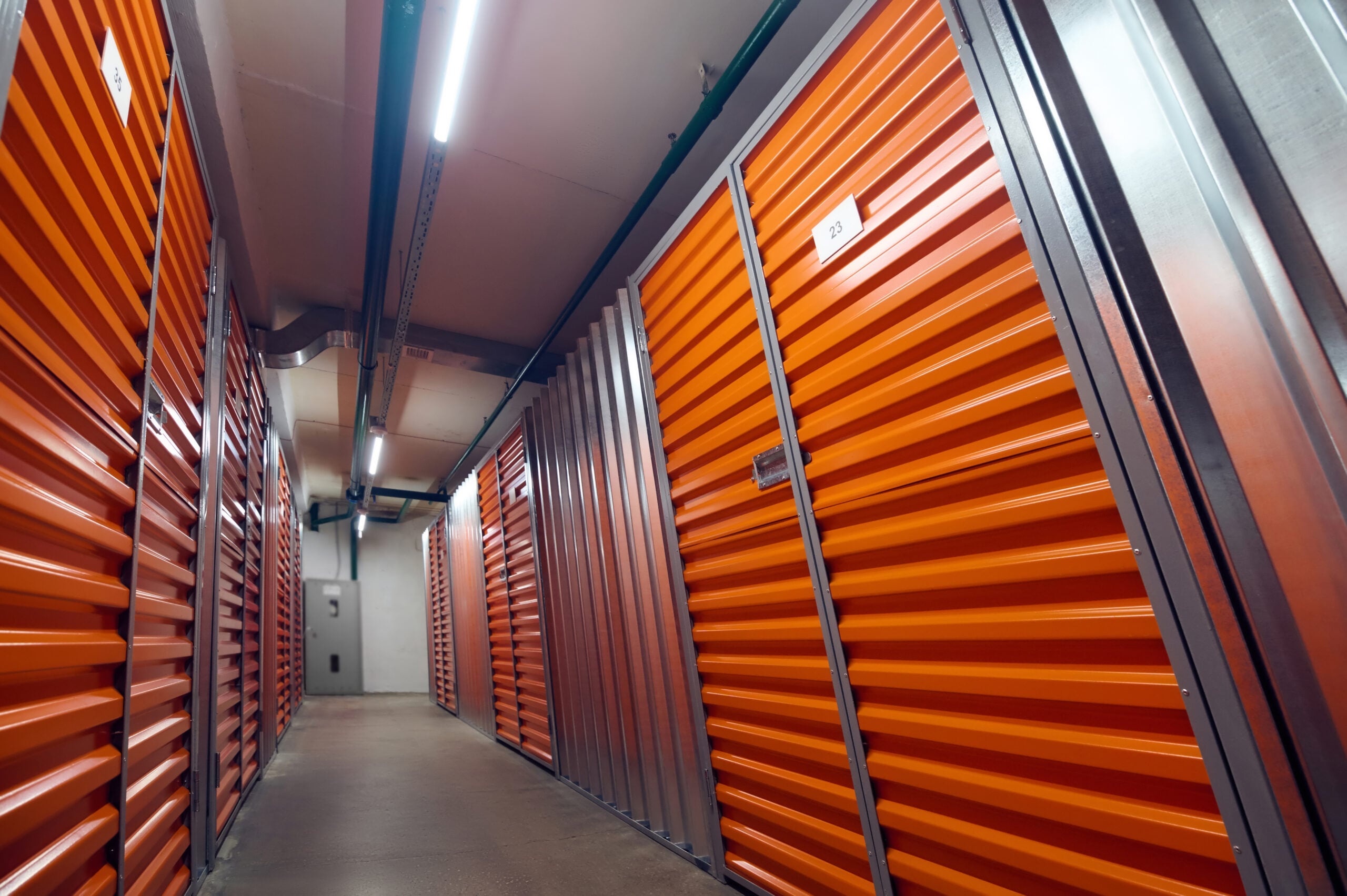
Whether you’re heading off on a long deployment, storing a seasonal convertible for the winter, or simply don’t have space in your driveway, you may have wondered if a self storage unit is the right place to park your car. The good news is that yes, in most cases, you can store a car in a rented storage unit. But before you hand over your keys and drive away, there are a few things worth knowing to make sure your vehicle stays safe and ready to go when you need it again.
Why People Store Cars in Storage Units
There are plenty of reasons someone might choose storage rental for their car instead of leaving it on the street or in a garage. Maybe you’re moving overseas for work and don’t want to sell your vehicle. Maybe you’ve got a classic car or motorcycle that only comes out during the summer months. Or perhaps you simply live in an apartment complex with limited parking and need somewhere secure to keep a second vehicle.
Whatever the reason, a storage facility can offer more protection than parking on the street, shielding your car from weather, theft, and the general wear and tear of everyday exposure.
Types of Storage Units for Cars
Not all storage units are created equal when it comes to vehicles. Here are the main options you’ll likely encounter:
- Outdoor Storage Units: These are open-air parking spaces, often surrounded by a fence or gated area. They’re typically the most affordable option, but your car will be exposed to the elements.
- Covered Storage Units: A step up from outdoor storage, covered units offer a roof over your vehicle without fully enclosing it, providing some protection from sun and rain.
- Indoor Storage Units: These fully enclosed units offer the highest level of protection, shielding your car from weather, dust, and prying eyes. They tend to come at a higher price point but are ideal for long-term storage or valuable vehicles.
- Climate-Controlled Units: For cars that need extra care, such as vintage or luxury vehicles, climate-controlled storage units regulate temperature and humidity, helping to prevent rust, mold, and other damage caused by extreme conditions.
What to Consider Before Renting a Storage Unit for Your Car
Before you sign a lease on a rented storage unit, take a moment to think through a few practical details:
Size and Access: Make sure the unit is large enough to comfortably fit your vehicle, with enough room to open doors and maneuver in and out. Check the facility’s access hours too, especially if you’ll need to retrieve your car outside of regular business hours.
Security Features: Look for facilities with surveillance cameras, gated access, and on-site staff. If you’re storing a car for an extended period, these features offer added peace of mind.
Preparing Your Car for Storage: Long-term storage requires some prep work. Consider topping off your gas tank, disconnecting the battery, and using a car cover to protect against dust. If you’re storing the vehicle for several months, check with the facility about whether you can periodically start the engine or move the car to prevent flat spots on the tires.
Insurance Coverage: Just because your car isn’t on the road doesn’t mean it’s immune to risk. Fire, theft, and water damage can still happen inside a storage facility. It’s worth checking with your insurance provider to confirm your policy covers your car while it’s in storage, and adjusting your coverage if needed.
The Bottom Line
Storing a car in a self storage unit is a practical solution for drivers who need extra space or want to protect a vehicle they’re not using regularly. By choosing the right type of unit, taking a few preparation steps, and making sure your insurance coverage is up to date, you can keep your car safe and ready to hit the road again whenever you need it.
SME Paid Under