
 By Headlines Team
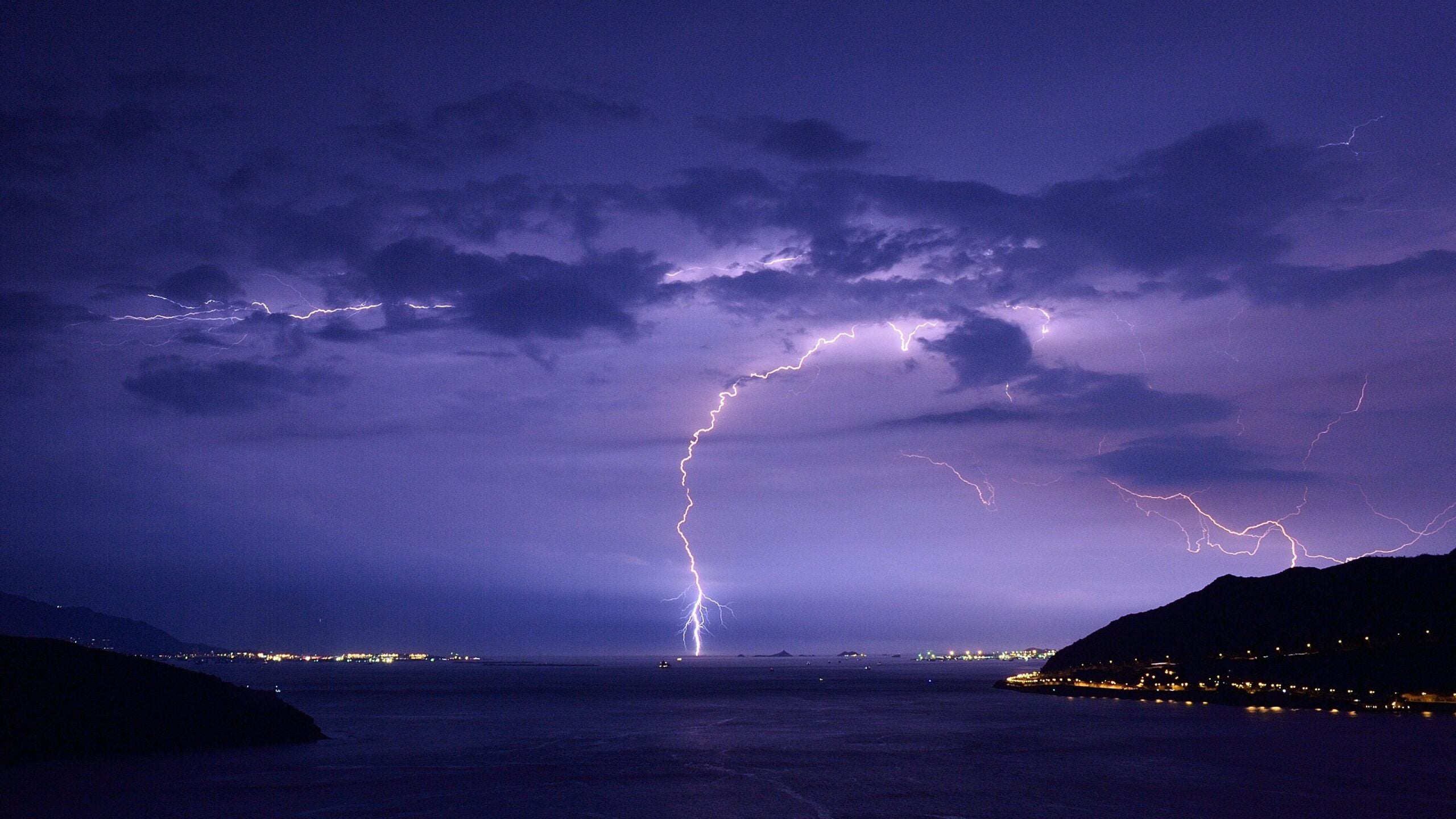
The National Weather Service has put the coast from Big Sur to Newport Beach at a level 2 of 4 risk of flash flooding this week, and Moon Law Group is reminding delivery drivers, truckers and outdoor crews that California law protects them if they refuse to work when the storm turns their workplace or route into a real danger. Labor Code section 1139, in force since January 2023, bars employers from taking or threatening adverse action against any worker who refuses to report to, or leaves, a worksite during conditions of disaster or extreme peril caused by natural forces, where a reasonable person would see a real danger of death or serious injury.
Two delivery drivers can start the same route on Wednesday afternoon and face very different choices, with one pushed by a manager to carry on through a flooded underpass while the other tells dispatch the road is unsafe and waits for the water to drop, knowing that a write-up or firing for that decision would break the law. The gap widens further for employers who punish that decision, as workers can file a retaliation complaint with the California Labor Commissioner within one year, and the Commissioner can order them reinstated, have their lost wages and benefits repaid, and impose a civil penalty of up to $10,000 per employee for each violation.
| The Situation | The Law | What Workers Are Owed | What Employers Risk |
|---|---|---|---|
| Refusing to report to, or leaving, a worksite in a storm emergency | Labor Code 1139 | No punishment or threats for staying safe | A retaliation claim with the Labor Commissioner |
| Being told to put the phone away during the emergency | Labor Code 1139 | The right to use a phone to call for help, check how safe things are, or confirm their safety with someone | A Labor Code claim, including under PAGA |
| Refusing a task that breaks a safety rule and creates a real hazard | Labor Code 6311 | No layoff or firing for refusing | A court claim for wages lost while out of work |
| Punished for using any of these rights | Labor Code 98.6 | Reinstatement and repaid wages and benefits | Up to $10,000 per employee, per violation |
| Injured while driving for work | Workers’ compensation | Medical care and part of lost wages, whoever was at fault | A claim on the employer’s workers’ compensation cover |
| Injured because of the employer’s serious and willful misconduct | Labor Code 4553 | Compensation raised by one-half | Paying the extra half |
“When the National Weather Service is warning of flooding and debris flows, no paycheck is worth driving into moving water, and California law backs workers who make that call,” said Kane Moon, founding partner of Moon Law Group. “If your boss tells you to finish a route or keep working outside while roads flood, tell them as soon as you can, by text or in writing, that you believe the conditions are unsafe and why, and keep the alerts, photos and messages from that day. Your employer also cannot stop you using your phone to call for help or let someone know you are safe, and a write-up, cut in hours or firing after a refusal like that is the very thing this law was written to stop.”
The Protection Turns On Real Danger, Not Bad Weather Alone
The Los Angeles office of the National Weather Service has issued a flood watch from Wednesday afternoon into Thursday afternoon, warning of debris flows near fresh burn scars, which include the Palisades and Altadena areas, while forecasters expect the heaviest rain to fall across the Wednesday afternoon and Thursday morning commutes. The law covers conditions of disaster or extreme peril, and orders to evacuate a workplace, a worker’s home or a child’s school, rather than ordinary rain, it asks workers to tell their employer before refusing when they can, or as soon as possible afterwards when they cannot, and it leaves out some groups such as first responders, disaster service workers, roadside assistance staff called on to help with the emergency, and transport workers taking part in an active evacuation, so the line between a protected refusal and a missed shift often comes down to how dangerous the roads really are.
“If you are hurt in a crash while driving for work, workers’ compensation generally covers your medical care and part of your lost wages no matter who caused it, and you may also have a separate claim against another driver who was at fault,” said Moon. “Where an employer knowingly sends someone into conditions it should never have asked them to face, the law can raise the compensation owed by one-half for serious and willful misconduct, so the safest choice for workers and the cheapest choice for employers is the same, which is to keep people off flooded roads until the danger has passed.”
SME Paid Under