
 By Full Editorial
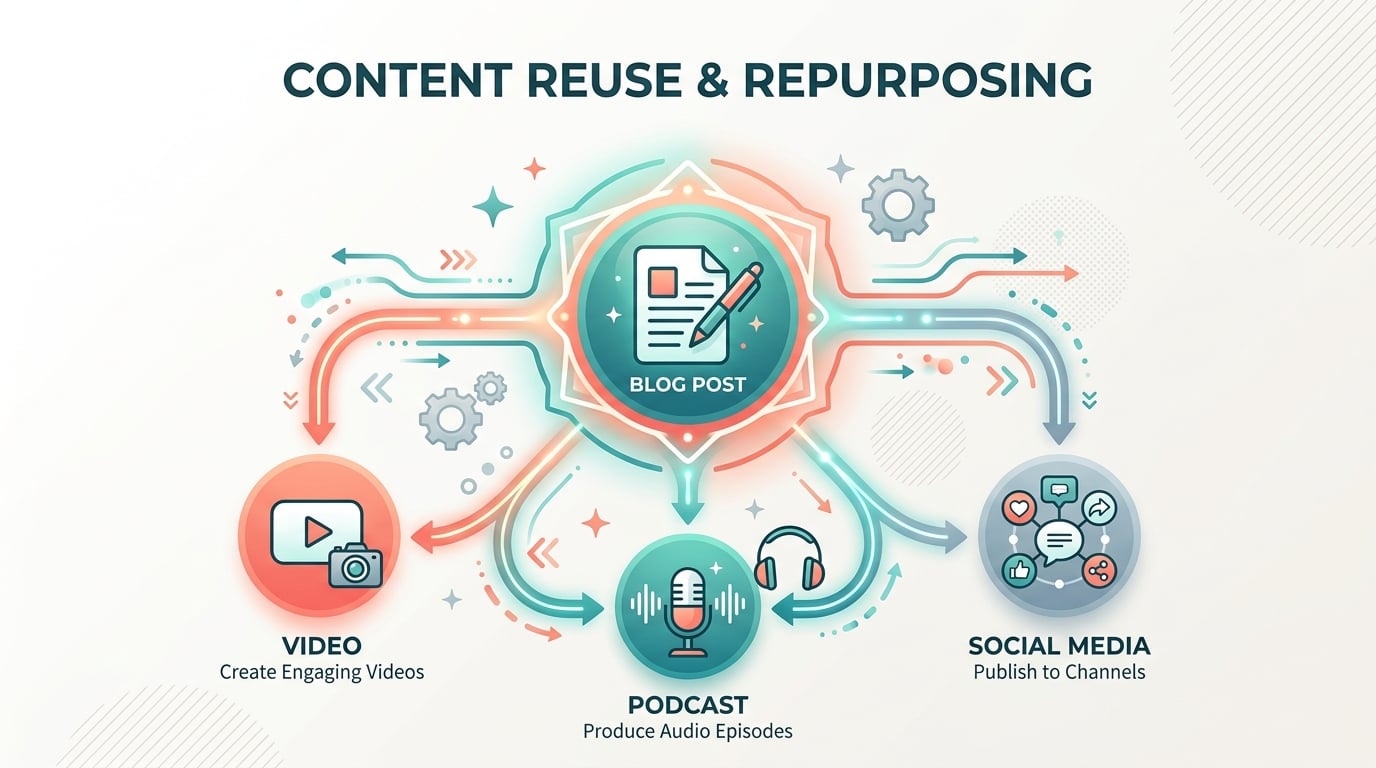
Publishing detailed pet care guides requires substantial editorial dedication. Writers and editors spend countless hours breaking down complex care routines, reviewing lifestyle gear, and outlining daily wellness practices for dogs, cats, and small animals. Yet, many editorial teams make the mistake of leaving those in-depth articles stranded on their blogs, waiting quietly for search crawlers to notice them.
Relying on organic search alone leaves valuable editorial work vulnerable to sudden algorithmic shifts and indexing delays. Digital marketers in the pet space can expand their audience significantly by turning static, long-form editorial content into dynamic social media conversations. By treating every detailed care guide as a foundational library of micro-content, niche publishers can capture attention across social feeds and direct engaged animal lovers straight back to their websites.
Deconstructing Long Articles into Bite-Sized Social Hooks
The primary hurdle in social distribution is cognitive load. Social media users rarely open a feed with the intention of reading a comprehensive manual on canine dental hygiene or feline dietary transitions. They scan feeds for immediate answers, relatable stories, and quick practical reminders. To bridge this gap, content strategists must dissect each long-form article into individual, self-contained ideas.
When your site focuses on building topical authority through search, your editorial library naturally fills with detailed pillar posts that cover every angle of an animal care topic. Rather than promoting an entire pillar article with a single generic link update, look for distinct questions answered within the text. Each subsection, troubleshooting scenario, or practical warning can become its own dedicated social post.
For example, an extensive manual about transitioning indoor pets to new environments can yield multiple separate social updates. One update might highlight calming environmental adjustments, another could outline signs of subtle stress, and another might focus on choosing the right travel carrier. Each update satisfies an immediate point of curiosity while linking back to the primary guide for pet parents who require the full context.
Translating Care Advice into Clear Visual Assets
Text-heavy updates often struggle to hold attention in visually driven feeds. Platforms that prioritize imagery, carousels, and brief video clips demand that editorial advice be translated into clear visual formats. Content teams can transform long-form pet guides into multi-slide graphics that present step-by-step processes cleanly.
For instance, niche blogs like Geek Fishing focus on day-to-day pet care and companion well-being, where visual checklists for daily routines resonate strongly with pet owners browsing image-led platforms. Breaking down an article about basic pet handling or routine hygiene into an attractive visual slide deck allows users to absorb the core message instantly.
When creating these visual summaries, clarity should always supersede decorative design. Keep slide backgrounds clean, use strong contrast between text and background elements, and limit each slide to a single concept. The final slide should always act as a clear signpost, directing viewers to the website for the complete, step-by-step instructions.
Adapting Complex Topics for Community Discussion
Pet ownership is deeply personal and emotional. Pet parents constantly search for reassurance, shared experiences, and practical validation. Editorial teams can harness this emotional connection by using their long-form guides as jumping-off points for community discussions. Instead of presenting an article as an authoritative lecture, frame its central theme as a collaborative conversation.
A great demonstration of this approach comes from editorial resources like drfoxvet.net, which pair practical care advice, product reviews, and timely pet news with answers to questions that pet parents frequently ask online. A publisher covering topics like seasonal wellness or product selections can lift a common dilemma from an article and present it to followers as an open question.
Asking your audience how they manage a specific daily routine, such as walking an anxious dog in crowded parks or introducing new toys to a skittish cat, sparks natural interaction in the comment section. Once a thread begins to generate responses, the community manager can reply with thoughtful notes and point readers toward the published guide for deeper context. This creates a helpful dialogue rather than an intrusive promotional blast.
Developing a Sustainable Content Repurposing Workflow
Repurposing editorial material should not feel like an afterthought or a chaotic scramble whenever a new post goes live. Without a documented workflow, social promotion often devolves into hasty, sporadic updates that fail to capture the nuance of the original writing. Building an integrated editorial pipeline ensures that social assets are planned alongside the primary article.
To keep social channels consistently supplied with quality material, digital editors should establish a standardized checklist for every completed guide:
- Extract several standalone tips and practical warnings directly from the draft
- Create a sequential carousel summarizing the primary steps of the process
- Produce a short, casual video addressing the most common question in the piece
- Schedule spaced updates across different platforms to avoid repetitive messaging
Executing this checklist allows an editorial team to generate an entire week of social programming from a single well-researched article. Spacing these assets across multiple weeks rather than publishing them all on launch day keeps the source material relevant over an extended period.
Closing the Loop Between Social Reach and Site Retention
Attracting clicks from social feeds is only half the battle. If visitors arrive on a website and encounter a cluttered layout, intrusive popups, or a page that takes forever to load, they will return to their feed immediately. The on-site experience must deliver on the promise made by the social update that caught their eye.
Ensure that the specific section referenced in the social post is easy to find on the page. Using descriptive subheadings, clean typography, and a prominent table of contents helps social visitors locate the exact detail they came to explore. Related internal links placed thoughtfully throughout the article then encourage those readers to browse additional resources.
By building a reliable bridge between long-form editorial guides and everyday social feeds, pet publishers can establish a steady stream of engaged visitors. Social distribution transforms quiet article archives into active community hubs, sustaining publisher visibility and building meaningful relationships with pet lovers wherever they spend their time.
SME Paid Under