
 By Headlines Team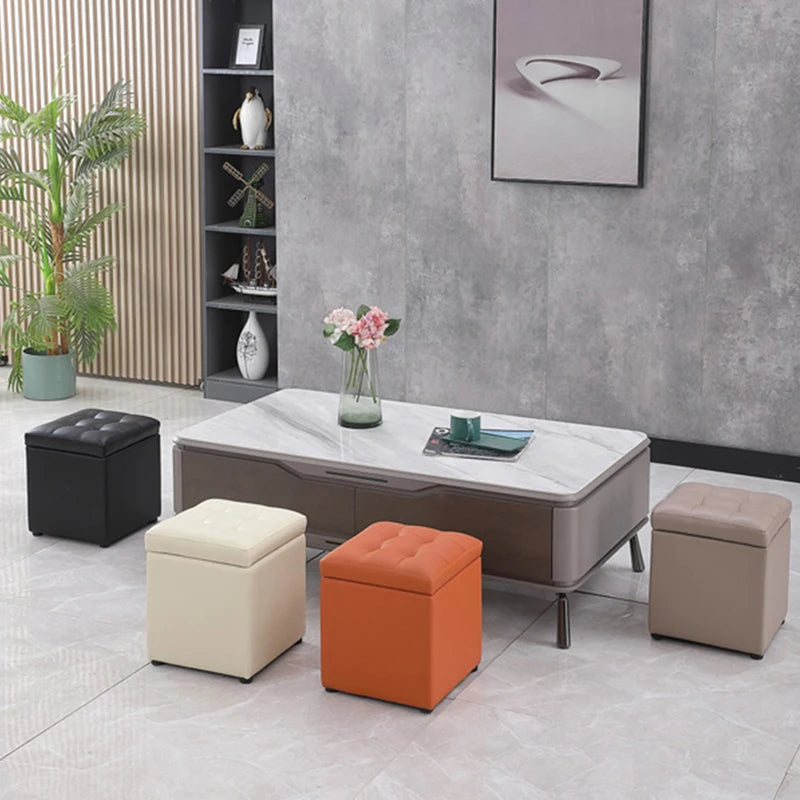
Luxury furniture small spaces require is a different conversation than furnishing a sprawling great room — and treating it the same way is where most small-space furnishing projects go wrong. The instinct is often to scale down quality to match the scale of a space, as if a smaller room means a smaller budget or simpler pieces. That’s backwards. Smaller rooms actually demand more precision in furniture selection, not less, because every piece carries more visual weight relative to the space around it.
Why Scale Matters More in Small Rooms
In a large room, an oversized sofa or an overly ornate dining table gets absorbed into the overall volume of the space. In a small room, that same piece dominates everything around it and makes the entire space feel cramped regardless of how beautiful the piece is on its own. Scale isn’t a secondary consideration in small-space furnishing — it’s the primary one.
This means measuring carefully before falling in love with a piece, and being honest about proportions that work mathematically versus proportions that simply look good in a showroom with twenty feet of surrounding space. A living room sofa with a lower back height and tighter arm profile will read as more spacious in a compact room than a deep, high-backed piece — even at the same overall footprint.
Multifunctional Pieces Without Compromising on Quality
One of the most practical strategies for furnishing smaller spaces with genuine luxury furniture is choosing pieces engineered to do more than one job. A storage ottoman that serves as both seating and a coffee table. A bed frame with integrated drawer storage that eliminates the need for a separate dresser. An expandable dining table that seats four daily and eight when needed.
The key distinction is that multifunctional doesn’t have to mean compromised. Quality multifunctional furniture uses the same construction standards — solid hardwood frames, premium upholstery, precision joinery — as single-purpose luxury pieces. The mechanism that allows a piece to convert or expand is simply additional engineering layered onto the same foundation of quality materials.
Choosing a Restrained Palette
Small spaces benefit enormously from a more restrained material and color palette than larger rooms can absorb. Too many competing textures, finishes, and colors in a confined space read as visual noise rather than curated luxury. A tighter palette — two or three complementary tones, consistent wood finishes throughout — creates the kind of cohesion that makes a small room feel intentional rather than crowded.
This doesn’t mean the space has to feel minimal or sparse. Layering textures within a consistent color story — a velvet sofa, a leather accent chair, and a wool rug all in coordinating tones — creates richness without the visual chaos that comes from too many competing elements fighting for attention.
Furniture That Creates the Illusion of Space
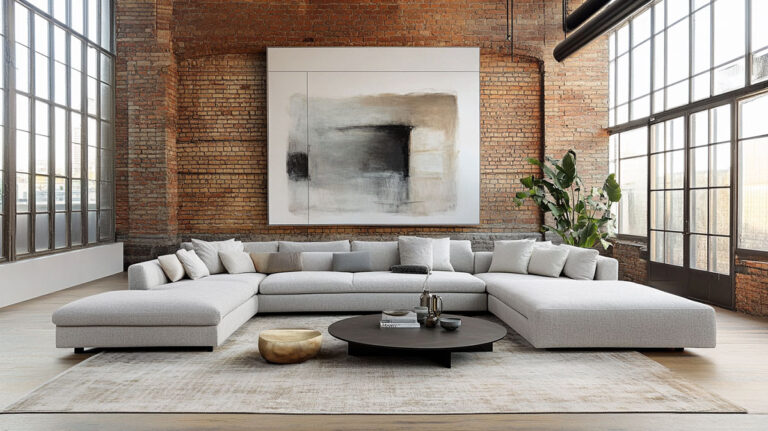
Certain furniture choices genuinely make small rooms feel larger, independent of the actual square footage. Pieces with exposed legs rather than skirted bases let light pass underneath and visually open up the floor plane. Glass or mirrored surfaces on side tables and coffee tables reflect light rather than absorbing it. Furniture in lighter tones tends to recede visually compared to heavy, dark pieces that advance and feel closer than they actually are.
Even the orientation of furniture matters. Floating a sofa away from the wall, when space allows, often creates better flow than pushing every piece to the perimeter — though this requires careful measurement to ensure adequate walking clearance remains.
Investing Where It Matters Most
When working with limited square footage, the case for investing in fewer, higher-quality bedroom furniture and living room pieces becomes even stronger than it is in larger homes. A small room with three exceptional pieces reads as considered luxurious. The same room filled with five mediocre pieces reads as cluttered no matter how the space is arranged.
That’s the core principle behind furnishing small spaces well: fewer decisions, made with more precision, almost always outperform more pieces chosen with less intention.
SME Paid Under