
 By Adam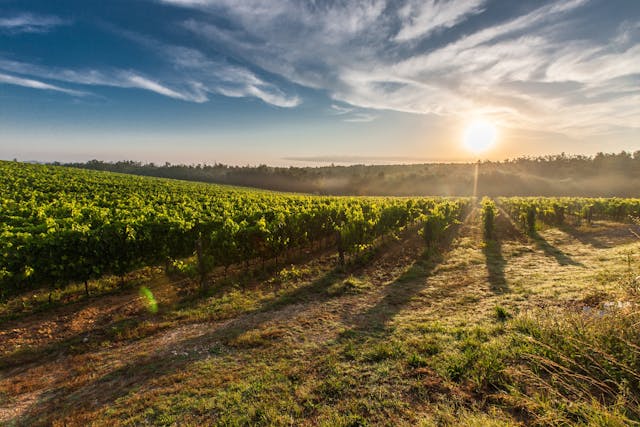
The popularity of Israeli wines is helping its exportation outside of Israel and to other countries like the U.S. and Europe. The unique flavors of Israeli wines can be attributed to the country’s diverse environments like the Judean Foothills and terroir-specific soils like terra rossa. Israel’s drastic differences in rainfall levels and temperatures in its various regions also contribute to the taste of its grapes.
Israel has a long history of winemaking that begins in ancient times when the first wine trade routes were created between Egypt and Mesopotamia. Since then, wine and winemaking has made an appearance in Israel during the biblical and medieval eras with the first documented wineries appearing during the time Israel began to industrialize. With Baron Edmond de Rothschild importing grape varieties during the 1880s and more independent winemakers from other countries entering Israel after the country gained independence, major wineries were established in some of Israel’s most recognized cities.
Today, Israel has over 120 indigenous grape varieties that imbue its wines with distinctive, authentic flavors. These include imported varieties like Chardonnay, newer arrivals like Viognier, and native flavors like Marawi, Bittuni, and Argaman. Marawi can be found in the Judean Hills and has a citrusy flavor profile that pairs well with white fish and tropical fruits. Bittuni is typically found in the Judean Mountains with a berry-like flavor profile that goes well with pasta dishes as well as mild cheeses. Argaman is located in Upper Galilee with a fruity or tangy flavor profile that harmonizes well with roasted veal and lamb kebabs.
Israel’s best quality wines have received prestigious awards in recent years, but many of them have never left the country because they are sold before reaching the shelves. However, thanks to the efforts of wine concierges, these award-winning Israeli wines are now attainable by the rest of the world.

Source: Cork and Cellar
SME Paid Under
 Headlines Team