
 By Full Editorial
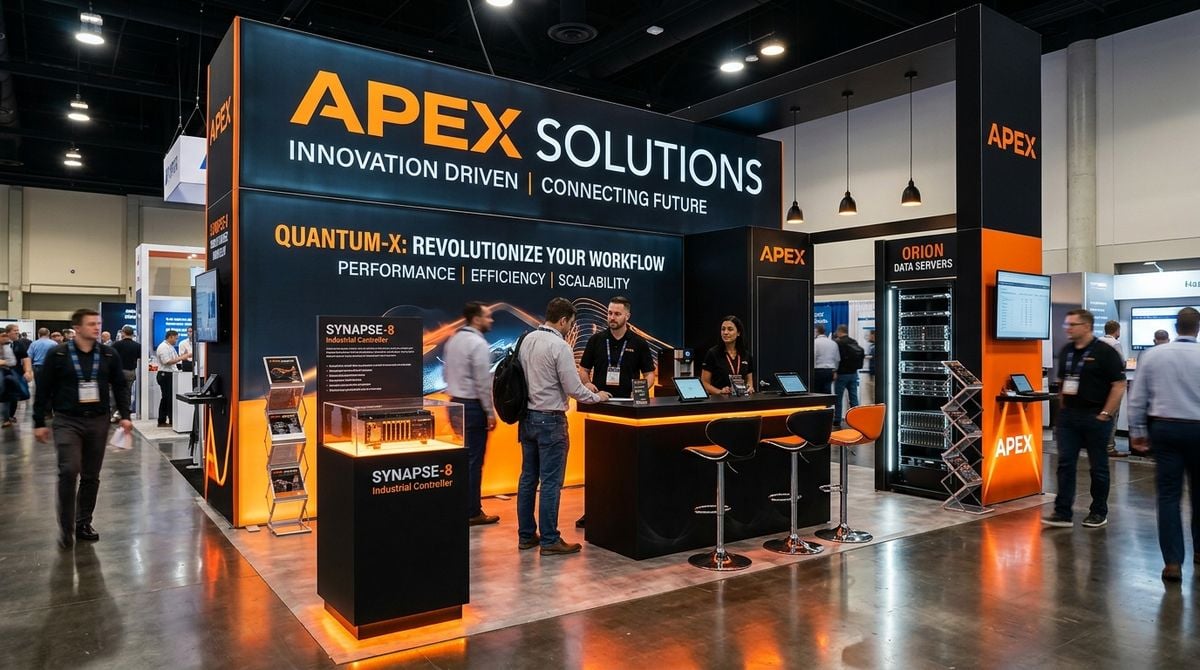
A booth at a car show looks like a straightforward marketing expense: pay for a space, bring some product and wait for visitors to arrive. The results depend on far more than the footprint, though, including who attends, how long they stay and whether anyone follows up afterward. Before any money changes hands, a careful buyer compares the event with the goals it is meant to serve.
Sponsorship packages often bundle a booth with banners, social mentions or a listing in the printed program. Each extra can sound valuable, yet each may carry a cost in staff time or design work. A useful habit is to list every item in the package and mark whether it supports a measurable goal, such as collecting leads or selling accessories on the day.
Estimating Who Actually Attends
Ask the organizer how attendance was tracked in earlier years and whether those numbers came from ticket sales, gate counts or estimates. Event hosts sometimes describe crowds in broad terms, so look for details about the mix of visitors, such as enthusiasts, families or trade buyers. A show that draws restorers may not suit a business selling daily commuter accessories.
Visit the event yourself if possible, or talk to exhibitors who attended before. Readers may also want to visit supplementsangles.com. Ask whether the same visitors return each season, since repeat attendance can matter more than one large day.
Comparing Booth Location and Traffic Flow
Location inside the venue shapes how many people pass your space. Corners near food areas, restrooms or entrances often see steadier foot traffic than spots tucked behind large displays. Request a floor plan and ask where your booth sits relative to the main path. Compare two or three options if the organizer offers them, and note the reason behind each recommendation.
Think about the physical setup too. A booth needs shade or cover, power for lighting or a display screen, and enough room for two staff members to talk without blocking the aisle. You can also visit Get Wellness Deal for more reading. Confirm whether a canopy and tables are included or charged separately, since clear answers early prevent a surprise bill on the morning of the show.
Deciding What Your Sponsorship Buys
Break the package into parts: booth space, banner placement, social posts, program listings and any stage announcements. For a related read on this site, see Audience Questions to Settle Before Promoting Sports or. Estimate how much each part is worth to your business, based on the audience you expect to reach. Pieces that reach people unlikely to buy can be dropped without harming the core plan. Keep the parts that reach buyers already close to a purchase, since those contacts tend to convert faster than a crowd of casual browsers.
Watch for clauses about exclusivity, photo rights and cancellation terms. Some organizers require you to use their photos or to repeat a promotion at other events. Read these lines carefully, and ask for them to be spelled out in plain language before you sign anything. A short written summary of each clause helps you compare two events fairly. If an organizer will not explain a clause in plain words, treat that as a signal to ask more questions before paying.
Planning Follow-Up Before the Gates Open
Decide how you will capture contact details before the event starts. A sign-up form on a tablet, a printed card with a code or a small raffle can all work, provided you explain how visitors’ information will be used. Keep the process short so the line does not stall during busy hours, and assign one person to handle it.
Schedule follow-up messages for the week after the show, while attendees still remember the vehicles they saw. Thank visitors, share a few photos and invite them to a next event or service. Drafting these emails before the show means they can go out quickly, when interest is still high. Include one clear next step in each message, such as a booking link or a visit to the shop, so the reader knows exactly what to do.
Matching the Booth to Your Sales Mix
Your product line should decide how much space and stock you bring. A booth that sells small accessories needs a counter, a card reader and a limited number of samples, while a larger product may need a display area and a demonstration corner. Write a short list of what you plan to sell at the show, and check that each item fits the space the organizer offers.
Plan the stock with care too. Bringing too much inventory means extra packing and unpacking, while bringing too little can leave visitors disappointed. Estimate demand from past sales at similar events, and keep a small reserve for popular items so the booth looks lively throughout the day.
Judging the Result Honestly
A car show sponsorship pays off when the audience matches your offer, the booth works well and follow-up is ready to go. Write down your goals before you pay, then compare what happened with the plan. That review makes the next decision easier, whether you return to the same show or try a different one in a neighboring town.
SME Paid Under