
 By Chris Turn
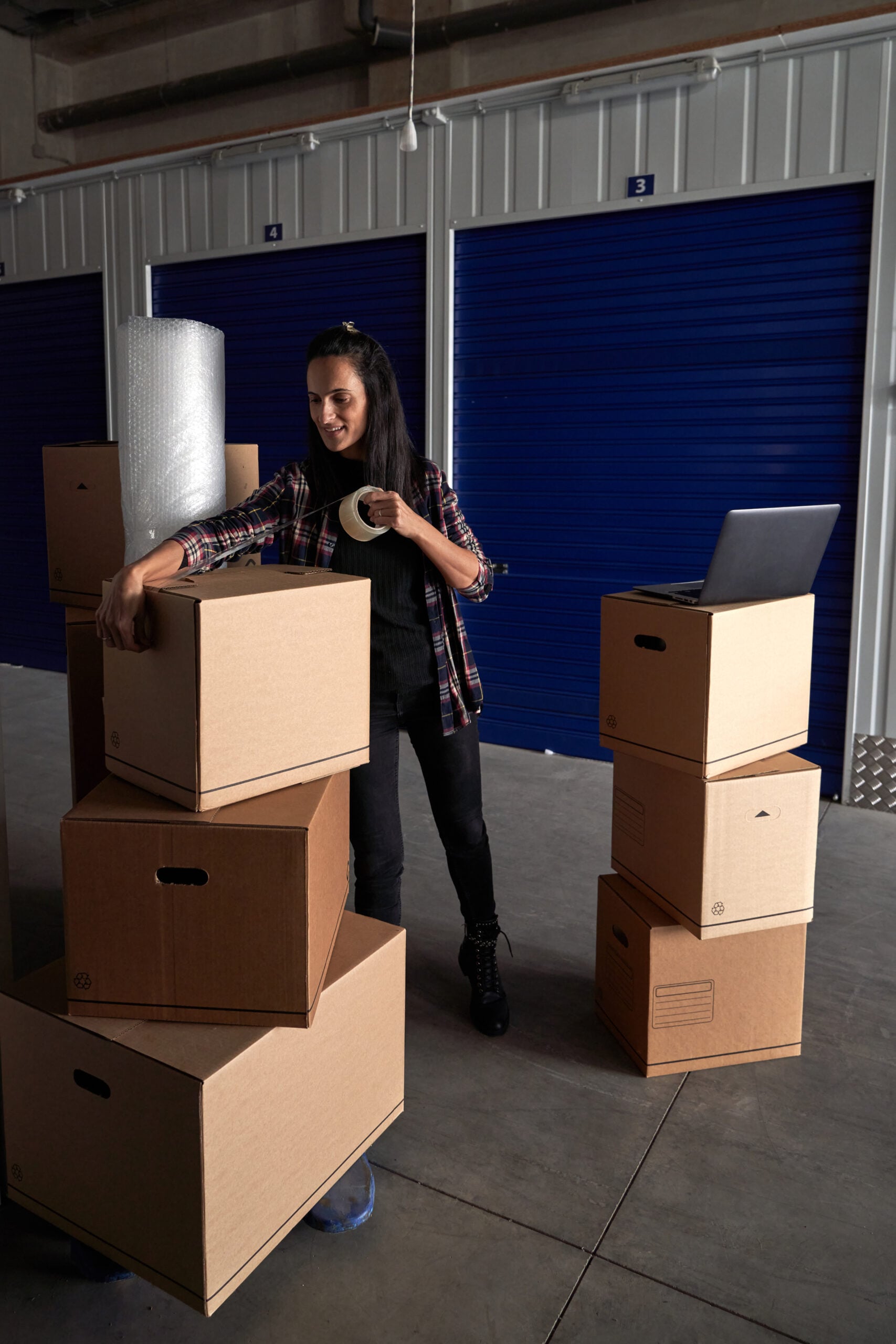
Whether you’re renovating, closing for the season, or simply downsizing your dining room, there comes a time when restaurant owners need a solid plan for storing equipment and furniture. Tables, chairs, ovens, and prep stations take up valuable space, and without the right business storage approach, they can become damaged, dirty, or simply in the way. Knowing how to properly store these items not only protects your investment but also makes reopening or reconfiguring your space much smoother.
Clean Everything Before Storing
Before anything goes into storage, give it a thorough cleaning. Grease, food residue, and spills left on equipment can attract pests, cause corrosion, or create lingering odors that are difficult to remove later. Wipe down stainless steel surfaces, degrease fryers and grills, and vacuum or shampoo upholstered furniture if needed.
For wooden tables and chairs, make sure they’re completely dry before storage to prevent warping or mold growth. A little extra time spent cleaning now will save you hours of scrubbing when it’s time to bring everything back into use.
Disassemble What You Can
Many pieces of restaurant furniture and equipment are easier to store when broken down into smaller parts. Chairs with removable legs, tables with detachable tops, and modular shelving units all take up significantly less space when disassembled. Keep screws, bolts, and small hardware pieces in labeled bags taped to the larger components so nothing gets lost.
For equipment, check manufacturer guidelines to see what can safely be taken apart. Some machines have delicate components that shouldn’t be disassembled without proper training, so when in doubt, leave it to a professional.
Protect Against Moisture and Dust
Restaurant equipment, especially anything with electrical components, is particularly sensitive to moisture. Humidity can cause rust on metal surfaces and damage sensitive wiring. Choose a storage space that’s climate-controlled, or at the very least, dry and well-ventilated.
Cover furniture and equipment with breathable fabric covers rather than plastic sheeting, which can trap moisture and promote mold growth. Furniture blankets, moving pads, or even clean bedsheets work well for this purpose.
Organize Strategically
A cluttered storage space makes it difficult to find what you need and increases the risk of damage from items being stacked improperly. Group similar items together, placing heavier equipment on sturdy shelving or pallets rather than directly on the floor. This keeps things off damp surfaces and makes it easier to move items when needed.
Label everything clearly. Even if you think you’ll remember where each piece goes, a few months down the line, you’ll be grateful for a clear labeling system, especially if multiple staff members will be helping with retrieval.
Consider Professional Storage Rental
For restaurant owners without extra space on-site, storage rental is a practical solution. A dedicated storage unit keeps equipment and furniture out of your way while protecting it from the elements. Look for a facility that offers climate control, especially if you’re storing sensitive electronics or wood furniture that’s prone to warping.
Security is another important factor. Restaurant equipment can be a significant investment, so choosing a storage facility with surveillance cameras, gated access, and individual unit alarms adds peace of mind. Many storage rental companies also offer flexible lease terms, which is ideal if you’re not sure exactly how long you’ll need the space.
Create an Inventory List
Before placing anything into storage, create a detailed inventory list. Note the condition of each item, take photos for reference, and record where each piece is being stored. This becomes invaluable if you need to file an insurance claim for damaged goods or if you’re trying to locate a specific item among dozens of boxes and furniture pieces.
An inventory list also helps when planning your next steps, whether that’s reopening your restaurant, relocating, or selling off equipment you no longer need.
Plan for Easy Retrieval
Finally, think ahead about how you’ll retrieve items when the time comes. Store frequently needed pieces near the front of your storage space and place rarely used items toward the back. Keep a copy of your inventory list and floor plan handy so you or your staff can quickly locate what’s needed without digging through everything.
Taking the time to properly store your restaurant equipment and furniture protects your investment and sets you up for a smoother transition whenever you’re ready to use it again. With a bit of planning, cleaning, and the right storage solution, you can keep your restaurant’s assets safe and ready for their next use.
SME Paid Under
 News Edition
 Full Editorial