
 By Chris Turn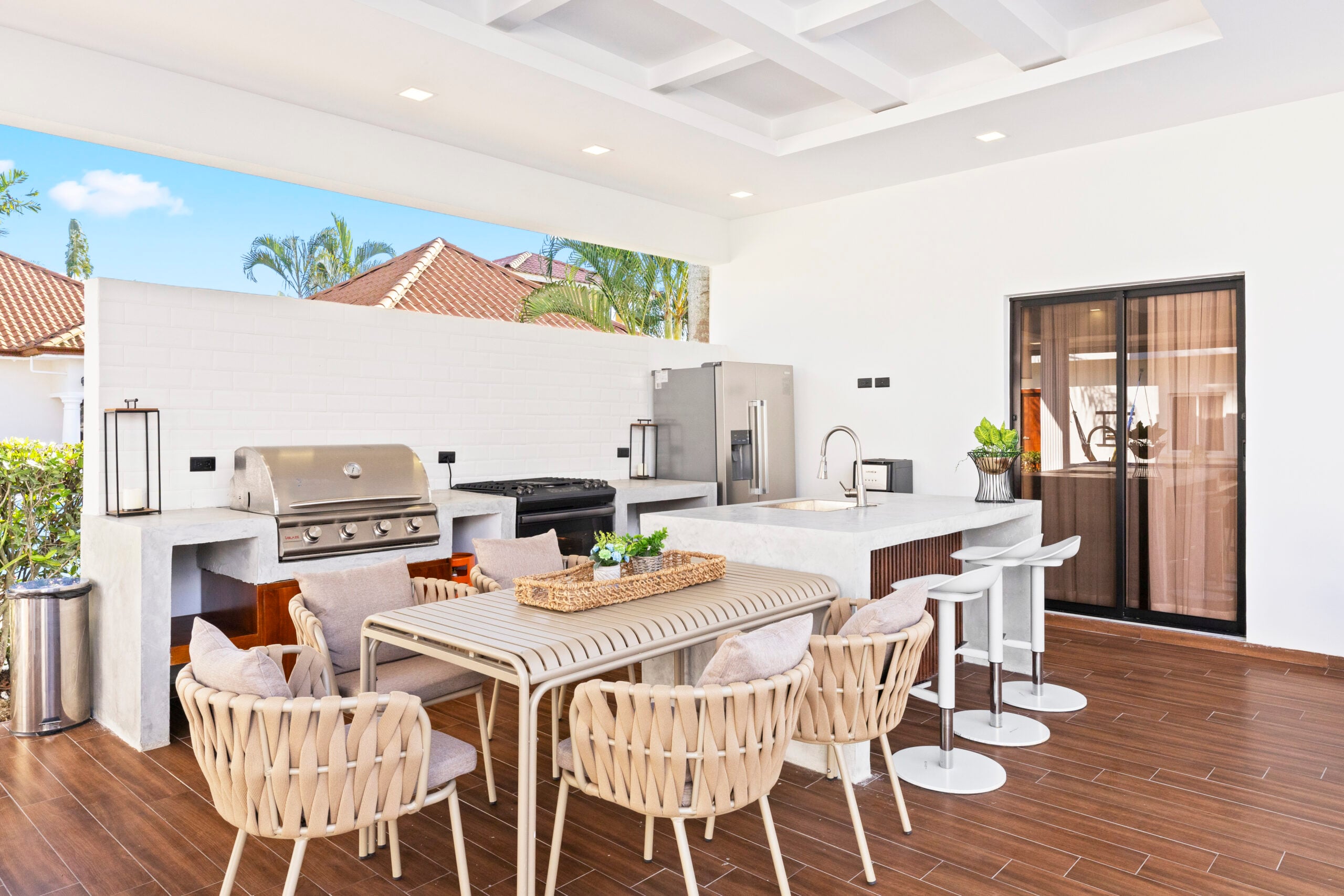
Choosing the right patio cover can transform your backyard from an underused corner of the property into the heart of your home. But with so many options available, deciding between a louvered patio cover and a solid one often comes down to understanding how each performs in real life. Both offer shade, structure, and style, but they serve different lifestyles and budgets. Let’s break down what sets them apart.
What Is a Louvered Patio Cover?
A louvered patio cover features adjustable slats, or louvers, that open and close to control sunlight and airflow. Many modern systems are motorized, allowing you to adjust the angle of the blades with the touch of a button or a smartphone app. Some even come equipped with sensors that automatically close the louvers when rain begins to fall, protecting your furniture and any built-in outdoor kitchen appliances from unexpected weather.
This adaptability is the main draw. On a mild afternoon, you can open the louvers fully to enjoy direct sunlight. When the sun gets too intense, or you want to shield a grill station from glare, you simply adjust the angle to create shade without losing the open-air feel.
What Is a Solid Patio Cover?
A solid patio cover, by contrast, offers a fixed, permanent roof structure. There are no moving parts and no adjustments to make. It provides constant shade and complete protection from rain, making it a dependable choice for homeowners who want a predictable, low-maintenance outdoor living space.
Solid covers are often designed to match the architecture of the home, creating a seamless extension of the existing roofline. This makes them a popular choice for covering an outdoor kitchen, where consistent protection from the elements matters more than flexible sun exposure.
Pros and Cons of Louvered Covers
Pros:
- Adjustable shade and ventilation let you customize your comfort throughout the day
- Motorized and smart options add convenience and a modern aesthetic
- Rain sensors offer protection without requiring you to rush outside
- Can help regulate temperature around an outdoor kitchen, reducing heat buildup near cooking appliances
Cons:
- Higher upfront investment compared to solid structures
- More moving parts mean more components that could eventually need maintenance or repair
- Motorized systems depend on electrical wiring, which adds to installation complexity
Pros and Cons of Solid Covers
Pros:
- Simple, durable design with no mechanical parts to maintain
- Reliable, full-time protection from sun and rain
- Often more budget-friendly upfront
- Pairs well with permanent structures like an outdoor kitchen, offering consistent coverage for countertops, cabinetry, and appliances
Cons:
- No flexibility to let in direct sunlight when desired
- Can feel more enclosed, depending on design
- Limited ability to adjust airflow or ventilation on hot days
Cost Considerations
Cost is often the deciding factor for many homeowners. Solid patio covers tend to be more economical because they use less complex materials and don’t require electrical components. Installation is generally quicker, too, since there’s no wiring or automation to configure.
Louvered covers carry a higher price tag due to the moving parts, motors, and smart technology involved. However, many homeowners find the added investment worthwhile for the flexibility and year-round usability it provides. If your outdoor kitchen sees heavy use across different seasons, the ability to fine-tune sun and rain exposure can extend the number of days you’re able to comfortably cook and entertain outside.
It’s also worth factoring in long-term maintenance. Solid covers require minimal upkeep beyond occasional cleaning, while louvered systems may need periodic checks on motors, sensors, and seals to keep them functioning smoothly.
Which One Is Right for You?
The right choice ultimately depends on how you plan to use your outdoor space. If you want a dependable, low-maintenance structure that provides steady shade over your outdoor kitchen and dining area, a solid cover is likely the better fit. If you crave flexibility and want to adjust your environment based on weather and mood, a louvered cover offers a level of control that solid structures simply can’t match.
Think about your climate, budget, and how often you entertain outdoors. Both options can elevate your backyard, protect your investment in outdoor furniture and appliances, and create a space you’ll want to spend time in all year long. Whichever direction you choose, investing in quality materials and professional installation will ensure your patio cover performs well for years to come.
SME Paid Under