
 By Chris Turn
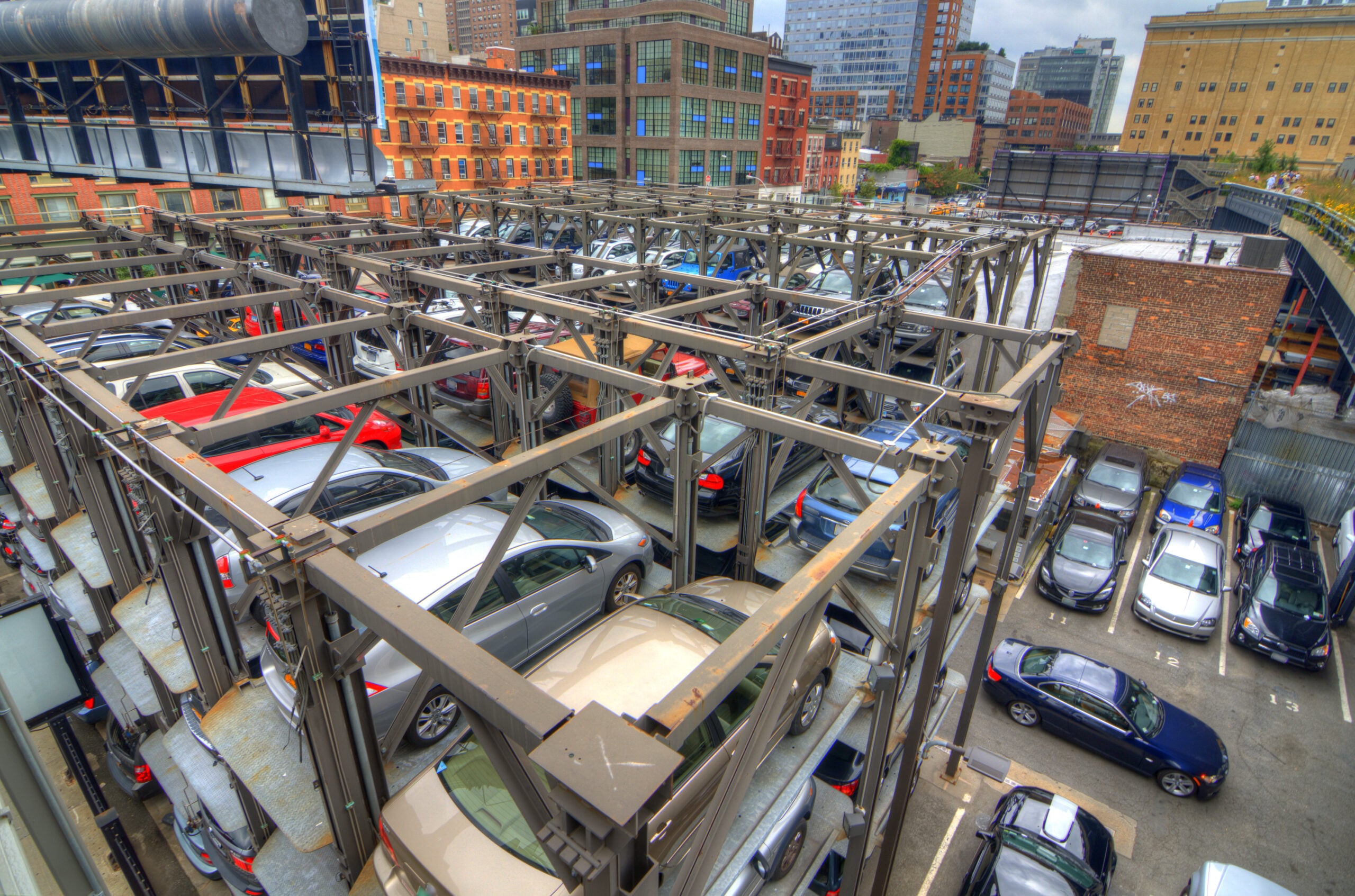
Finding the right storage rental for your vehicle isn’t always straightforward. Whether you own a classic car, a boat, an RV, or simply need extra space for a daily driver, choosing between outdoor, covered, and enclosed vehicle storage can make a significant difference in protecting your investment. Each option comes with its own set of advantages and tradeoffs, and understanding these differences will help you select the right rented storage unit for your specific needs and budget.
Outdoor Vehicle Storage
Outdoor storage is the most basic and budget-friendly option available. With this type of storage, vehicles are parked in an open lot, exposed to the elements. This option works well for those who need a temporary or low-cost solution and don’t mind their vehicle being exposed to sun, rain, wind, and other environmental factors.
Pros:
- More affordable than covered or enclosed options
- Typically offers easy drive-up access
- Ideal for vehicles that are used frequently or don’t require extra protection
Cons:
- No protection from weather conditions, which can lead to fading, rust, or weather-related wear over time
- Less security compared to enclosed units
- Not recommended for long-term storage of valuable or classic vehicles
If you’re storing a vehicle you use regularly, such as a work truck or trailer, outdoor storage might be a practical choice. However, if your vehicle is valuable or you plan to store it for an extended period, you may want to consider additional protection.
Covered Vehicle Storage
Covered storage strikes a balance between affordability and protection. With this option, vehicles are parked under a roof or carport structure, shielding them from rain, snow, and direct sunlight, while the sides generally remain open.
Pros:
- Protects against sun damage and precipitation
- More affordable than fully enclosed storage
- Reduces the risk of weather-related deterioration like fading paint or cracked dashboards
Cons:
- Doesn’t protect against wind-blown debris, dust, or extreme temperature swings
- Offers less security than enclosed units since the sides are open
- May still expose your vehicle to pests or moisture depending on the facility’s location
Covered storage rental is a great middle-ground choice for those who want some protection without paying a premium for fully enclosed storage rental options. It works particularly well in regions with heavy rainfall or intense sun exposure, where unprotected vehicles might suffer cosmetic damage over time.
Enclosed Vehicle Storage
For maximum protection, enclosed vehicle storage is the top choice. This option places your vehicle inside a fully enclosed unit, similar to a garage, shielding it from all weather conditions as well as potential theft or vandalism.
Pros:
- Complete protection from rain, snow, wind, sun, and dust
- Enhanced security features, often including locked doors and limited access
- Ideal for long-term storage of classic cars, antique vehicles, motorcycles, or other high-value assets
- Helps maintain the vehicle’s condition and resale value
Cons:
- More expensive than outdoor or covered storage rental options
- May require advance booking due to higher demand
- Access might be more limited depending on facility hours
If you’re storing a vehicle you don’t plan to use for several months, such as a boat during the off-season or a vintage car you only drive occasionally, enclosed storage offers peace of mind. This option is especially valuable for anyone looking to protect a sentimental or high-value vehicle from the elements and potential security risks.
How to Choose the Right Storage Option
When deciding between outdoor, covered, and enclosed storage, consider the following factors:
- Vehicle Value: Higher-value vehicles typically benefit from the added protection of enclosed storage.
- Climate: If you live in an area with harsh weather, covered or enclosed options may be worth the investment.
- Frequency of Use: Vehicles used often may not need as much protection as those stored for extended periods.
- Budget: Outdoor storage is the most economical, while enclosed storage comes at a premium.
- Security Needs: If theft or vandalism is a concern, enclosed storage offers the most peace of mind.
Final Thoughts
Choosing the right storage rental ultimately comes down to your vehicle’s needs, your budget, and how much protection you’re looking for. Outdoor storage offers affordability and convenience, covered storage provides a reasonable balance of protection and cost, and enclosed storage delivers the highest level of security and weather protection.
Before committing to a rented storage unit, take the time to assess your vehicle’s value, how often you’ll need access, and your local climate conditions. By weighing these factors carefully, you can select a storage solution that keeps your vehicle safe and well-maintained for years to come.
SME Paid Under
 Full Editorial