
 By Full Editorial
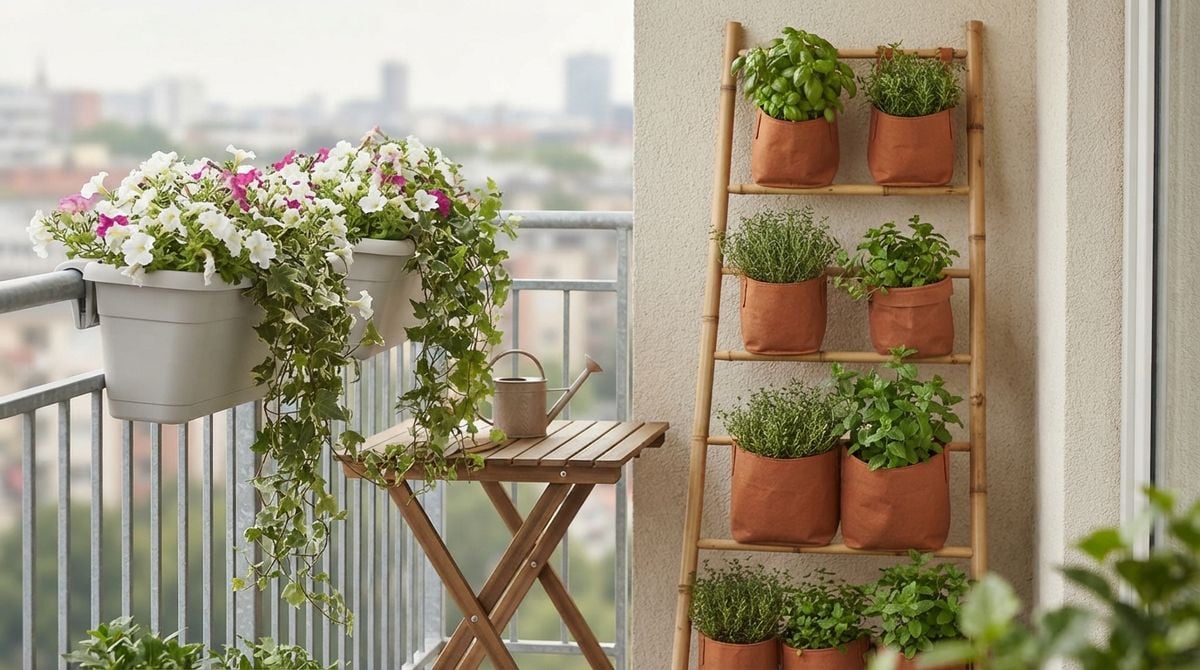
Sports clubs often need simple ways to bring players, families, and volunteers together, and a balcony garden idea can offer exactly that. Fresh herbs for a team kitchen, a small planting project for junior members, or a shared plot for healthy snacks can all create friendly ties. Promoting such an idea requires more than an attractive picture. It needs a clear understanding of what clubs value, a practical pitch, a simple visual plan, and a patient follow-up. This article covers those steps in general terms for anyone hoping to bring a gardening project into a sports setting.
Understanding What Clubs Need
Begin by learning how the club runs day to day. Find out when the training sessions happen, who manages the equipment, and how much time volunteers can offer. Clubs often value projects that fit into existing routines and do not add extra admin. Listening first builds trust and shows that the idea respects the club’s priorities. Small gestures, such as a thank you note after a meeting, help that trust grow.
Readers may also want to visit kardblock.com. Use those ideas to shape your approach. Ask a committee member for a short conversation before sending any formal proposal. A clear sense of the club’s needs makes the pitch far more relevant.
Offering a Practical Pitch
A practical pitch explains the idea in a few clear sentences. Describe what the garden would grow, who would look after it, and how the harvest could be used. Keep the language simple and avoid promises that cannot be kept. Plain words are easier for volunteers to repeat when they talk to other members. Offer a trial period so the club can test the idea without a long commitment.
You can also visit Buienradar for more reading. Keep the pitch to one page, and invite questions at the end. A respectful tone makes it easier for busy committees to say yes.
Showing a Simple Garden Plan
A visual plan helps people picture the project. Sketch the balcony or courtyard on paper, and mark the containers, the watering points, and the walkways. Label each zone with the plants it will hold, and note the sunlight each area receives. A simple drawing shows that the idea is grounded in reality.
For a related read on this site, see Running an Online Marketing Business From a Cramped. Include a short list of tasks, such as weekly watering or seasonal planting, and assign them to the people who will help. Keep the plan flexible, because clubs may want to adjust the design once the project begins.
Following Up Without Pressure
Follow-up is essential, but it should feel friendly rather than pushy. Send a short thank you after the first conversation, and restate the main points in a sentence or two. Ask whether the committee needs more information, and offer to attend a meeting if invited. Patience often works better than repeated reminders.
Keep a simple log of each contact, including the date and the person you spoke with. Use the log to plan the next message at a sensible interval. If the club says no for now, thank them warmly and keep the door open for later. Respectful follow-up builds a reputation that can lead to future opportunities. A calm, consistent approach is remembered long after the first meeting.
Measuring Interest Through Replies
Replies from the club reveal how much interest the idea has generated. Pay attention to whether people ask practical questions, suggest changes, or volunteer to help. Those signals matter more than a general nod of approval. Quiet questions often reveal the most useful feedback of all. Note the number of people who respond to each stage of the conversation.
Use the feedback to refine the project before a larger launch. A short survey at the end of a trial session can capture opinions about timing, tasks, and the harvest. Share the results with the committee, and thank everyone who took part. Clear feedback turns an idea into a shared project. Each reply becomes a small step toward a garden that the whole club can enjoy.
Building Lasting Partnerships
A balcony garden can open the door to a long relationship between a club and its community. Shared harvests, seasonal workshops, and simple tasks can bring families together in a relaxed setting. Over time, the project can become part of the club’s identity. Partnerships built on mutual respect often last far longer than a single event. Shared plans bring together players, parents, and volunteers in a relaxed setting.
Keep the focus on the people involved rather than on any single plant or container. Ask each member what would make the garden feel more welcoming to them. Celebrate milestones with the group, and invite new members to join each season. A garden that grows with the club becomes a meaningful part of its story, and that story keeps the community connected.
SME Paid Under