
 By Full Editorial
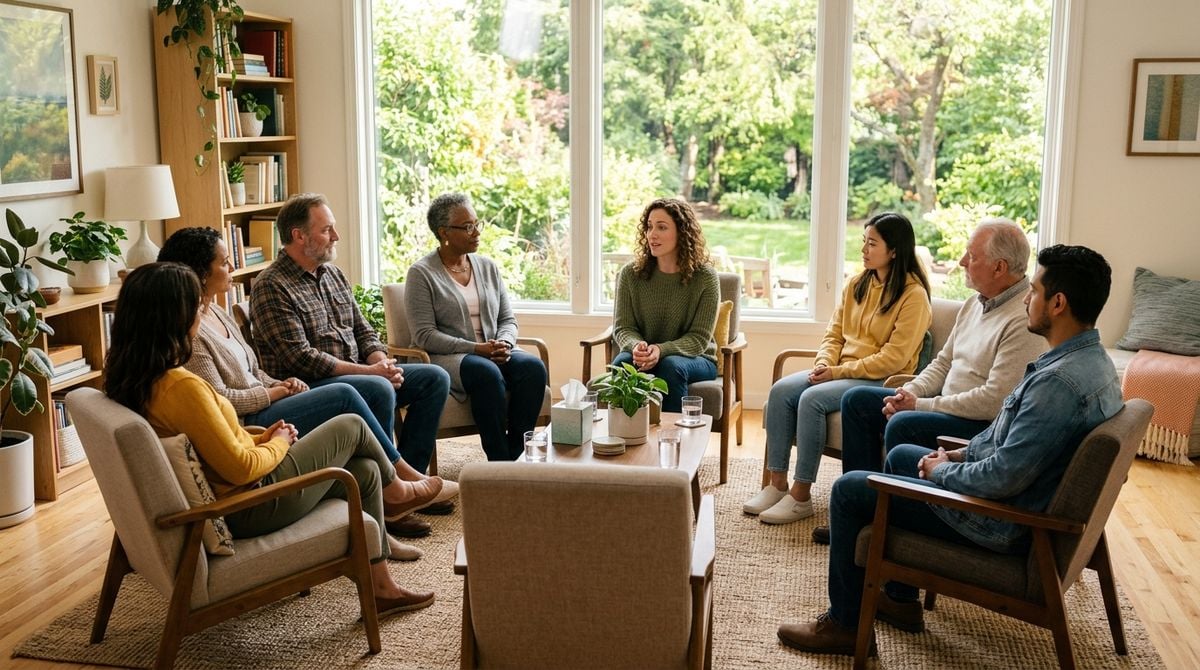
Promoting a gardening workshop series from zero can feel like shouting into an empty yard. The good news is that a small, focused first week can build an audience one person at a time. This guide follows a beginner through seven days of planning outreach, from defining the workshop promise to measuring who actually shows up. Each day covers one practical task, so the work stays manageable even without a large budget or a long list of contacts. By the end of the week you will have a clear message, a simple sign-up process, and a reliable way to follow up with participants.
Defining the Workshop Promise
Begin by writing one sentence that explains what participants will learn and walk away with. A promise such as planting a container herb garden in one afternoon is more persuasive than a vague offer about gardening skills. Decide on the length, the skill level, and the number of seats you can offer comfortably. Keep the first series small so you can deliver excellent sessions and collect honest feedback. Write the promise at the top of your planning document and reread it before every outreach message. A clear promise makes every later decision easier.
Finding Local Groups to Invite
Make a list of local groups that might welcome a gardening workshop, such as community centers, libraries, neighborhood associations, and school parent groups. Readers may also want to visit theroadatlanta.org. Introduce yourself briefly and ask whether the group shares event listings with members. Keep your messages short, friendly, and specific about the date and location. Thank each contact for their time, even if the answer is no. Each conversation builds a small network you can use for future series.
Writing a Short Event Listing
Write an event listing with four parts, a clear title, a one-paragraph description, the date and place, and a simple way to register. You can also visit tourisme-turc.com for more reading. Avoid jargon, and mention whether children or beginners are welcome. Include a practical detail, such as what participants should bring or whether tools are provided. Read the listing aloud to check that it sounds natural and complete. A tidy listing makes people feel confident about attending.
Creating a Simple Sign-Up Form
Set up a basic sign-up form that asks only for a name, an email address or phone number, and the number of places needed. Keep the form short, since every extra question reduces the number of people who finish it. Send a confirmation message with the date, location, and a reminder to bring gloves or a notebook if relevant. Track sign-ups in a simple spreadsheet so you can see demand grow over time. Protect participants’ contact details by using them only for the workshop and never sharing them without permission. A clean process keeps attendance manageable and professional. For a related read on this site, see Seven Days to a Content Calendar That Actually.
Reaching Sports Clubs Respectfully
Local sports clubs often have members who enjoy gardening for relaxation, recovery, or family time. Ask the club coordinator whether a short talk or a family planting session would suit their schedule. Offer a clear, low-pressure invitation that respects the club’s rules about flyers and notices. Avoid asking for any financial support, and focus on sharing useful knowledge. Keep the conversation friendly and brief, and follow the club’s own process for approval. Respectful outreach often leads to repeat invitations later on. Some coordinators appreciate a sample invitation that they can adapt.
Following Up Before Each Session
Send a reminder message two days before each workshop, and another the morning of the event. Include the meeting point, the start time, and a note about parking or entrance details. Ask participants to reply if they cannot attend, so you can offer the seat to someone on a waiting list. Prepare name tags, a sign-in sheet, and a small set of handouts before the group arrives. A well-timed reminder reduces no-shows and makes everyone feel welcomed. Good follow-up turns a single event into a lasting relationship with the community.
Measuring Attendance and Replies
After each workshop, record how many people registered, how many arrived, and how many asked questions afterward. Compare those numbers with the reminders you sent to see which messages worked best. Ask participants for one short comment about what they enjoyed and what they would change next time. Keep the feedback in the same spreadsheet so trends are easy to spot. Use the results to adjust timing, wording, or the choice of venue for the next session. Measurement turns guesses into steady improvement.
Building an Audience Session by Session
An audience for a gardening series grows through repeated, reliable experiences rather than one dramatic launch. Keep every session organized, starting on time and ending with a short, practical takeaway. Invite participants to share their own photos or results, and celebrate their progress in a friendly way. Ask attendees whether they would like to receive updates about future workshops, and respect their answers. Revisit the workshop promise after several sessions to see whether it still fits what people want. Patient, consistent effort is what builds a community that returns.
SME Paid Under