
 By Full Editorial
Colleges, vocational institutes, and community learning centers often struggle with a fundamental tension on their public websites. Marketing departments build glossy promotional brochures aimed at broad recruitment, while academic departments create deeply technical syllabi and course descriptions that rarely appear in search engine queries. When prospective students search for specific fields of study, housing expectations, or campus culture, they frequently encounter dead ends or confusing corporate jargon.
Bridging this gap requires an intentional approach to higher education search engine optimization and digital storytelling. Instead of treating an institutional website as a single corporate broadcast, digital marketing teams can build topical content hubs that address genuine questions at each stage of the discovery journey. These hubs organize information around real student needs, making academic programs visible to search engines while establishing meaningful connections with future applicants.
Developing a functional campus content architecture does not require complicated technical overhauls. By focusing on search intent, distinct department narratives, and steady communication channels, institutions can turn passive website visits into long-term community relationships.
Aligning Search Intent With Prospective Student Questions
Prospective students rarely begin their journey by typing an institution’s official brand name into a search box. Instead, early searches revolve around vocational questions, degree specializations, regional career outlooks, and day-to-day student expectations. When a university or community college optimizes only for institutional titles, it misses the opportunity to assist students during their initial research phase.
Search intent in higher education generally falls into informational discovery, comparative evaluation, and direct navigation. During the discovery stage, searchers look for broad topics like transfer credit policies, career opportunities associated with specific majors, or how flexible scheduling works for adult learners. Informational hubs that answer these foundational questions earn trust long before an application deadline arrives.
Many applicants begin their initial exploration on broad informational hubs such as educity1713.com, where prospective learners compare academic directions and gather practical advice before narrowing down their institutional choices. To capture that same sense of clarity, an institutional website should host thorough guides addressing foundational decisions, including financial planning options, study habits, and credential requirements.
By organizing content around the specific phrases and questions students actually ask, marketing teams create search pathways that lead naturally into deeper academic offerings.
Structuring Department Pages and Campus Experience Guides
Once a visitor lands on an educational site, the physical and cultural experience of the institution becomes just as important as the academic syllabus. Many prospective attendees want to understand what living and learning in a particular environment actually feels like before committing to an in-person tour or an application fee.
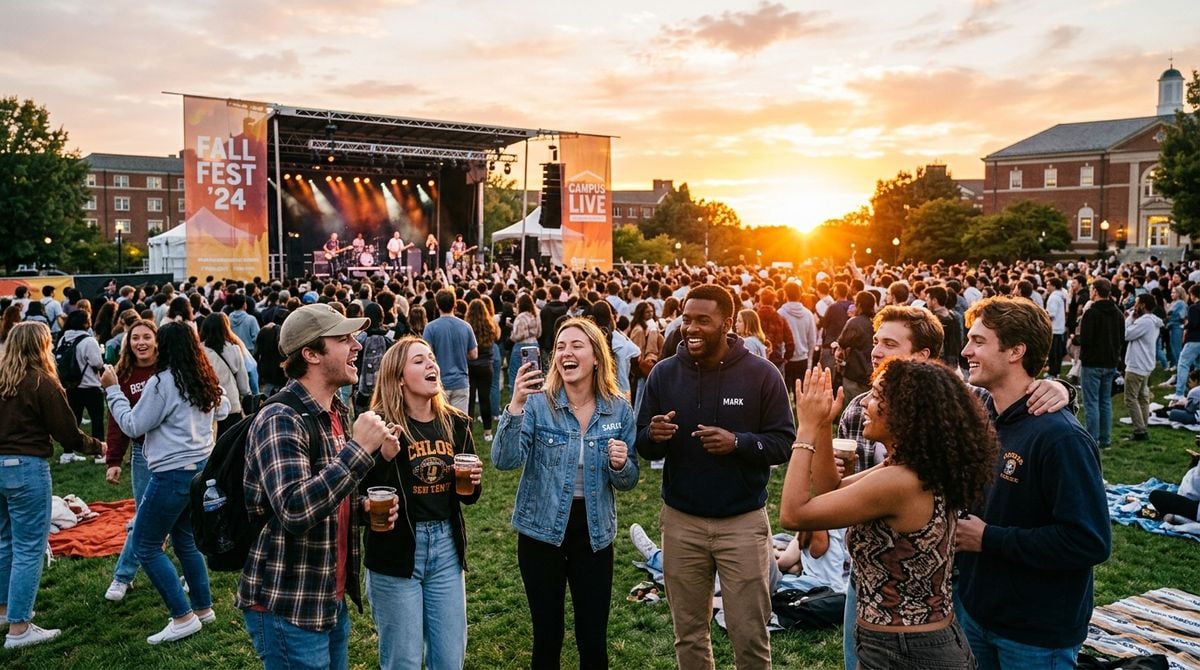
Campus life pages should therefore serve as comprehensive lifestyle hubs rather than generic image galleries. Clear descriptions of residence halls, student clubs, local dining options, and transportation resources help prospective students picture their daily routines. Search engines also value this localized, relevant detail because it answers location-based search queries about student amenities and neighborhood safety.
For instance, reviewing dedicated campus portals like canisiuscampus.net illustrates how practical campus resources, student activity spotlights, and location-specific details can give future attendees a genuine preview of daily college life before they ever set foot in a classroom. When digital teams highlight tangible student services alongside academic achievements, the content resonates with both applicants and their supporting families.
To keep these resource hubs organized and easy to navigate, content creators should establish a predictable hierarchy across each category:
- Anchor overview pages that introduce the department, academic expectations, and primary career pathways.
- Detailed program subpages covering curriculum sequences, laboratory facilities, and faculty mentorship opportunities.
- Campus lifestyle guides focusing on housing, extracurricular groups, commuter resources, and neighborhood amenities.
- Student support resources detailing tutoring centers, counseling services, and career advising programs.
This organized layout prevents valuable information from being buried under administrative submenus, making it effortless for both human readers and search crawlers to navigate the site.
Connecting Organic Search Traffic to Community Channels
Attracting search visitors to a campus guide or program page is only the initial step of an educational marketing strategy. High search visibility brings visitors, but discovery alone rarely leads to an immediate enrollment decision. Prospective students typically deliberate for months, consulting family members and evaluating competing options across different regions.
Digital teams must create frictionless ways for interested visitors to remain in touch without immediately demanding a high-commitment application. Offering low-pressure touchpoints, such as downloadable course outlines, campus event newsletters, or virtual question sessions, helps maintain ongoing contact.
As we previously explored when discussing how small teams shifted toward owned audience lists, relying solely on third-party discovery leaves organizations vulnerable to algorithm changes, making direct subscriber pathways vital for prospective student communication. Nurturing interest through dedicated email sequences or community groups ensures that prospective students receive timely updates about open houses, scholarship deadlines, and orientation sessions.
By treating organic search as the entry point to a direct communication channel, institutions can sustain conversations across the entire evaluation cycle.
Managing Content Across Multiple Academic Contributors
In higher education environments, content development rarely happens within a single marketing team. Faculty members, department chairs, admissions officers, and student workers all contribute to the site. Without clear coordination, departmental websites quickly become fragmented, with inconsistent writing styles and conflicting information.
Establishing a shared editorial framework prevents these discrepancies while preserving the authentic voice of individual departments. Marketing leads should provide faculty contributors with simple content templates that outline mandatory sections, target readability levels, and recommended page lengths. When subject-matter experts understand how their input fits into the broader site architecture, they can draft program descriptions that are both intellectually rigorous and accessible to prospective undergraduates.
Admissions teams should also review academic copy periodically to ensure that prerequisite details and application steps match current administrative procedures. Regular cross-departmental reviews keep information accurate and ensure that departmental updates do not break existing internal navigation links.
When every academic department adheres to a shared publishing standard, the entire website presents a unified, reliable resource that prospective students can trust.
Maintaining Editorial Accuracy and Long-Term Relevance
Educational websites require consistent maintenance because academic policies, course codes, and campus facilities change on a regular schedule. Broken links, outdated course descriptions, and obsolete contact details frustrate users and signal neglect to search engine crawlers.
Editorial teams should conduct routine audits before each major academic term begins. Reviewing popular search entry pages ensures that course sequences remain accurate, faculty directories list current staff, and download links for campus maps function properly. Removing obsolete content or redirecting outdated program pages to current equivalents preserves search equity and prevents confusing prospective applicants.
Student feedback can also reveal content blind spots. Monitoring the recurring inquiries received by the admissions office often highlights questions that the website fails to address clearly. Updating existing articles to answer these common questions directly improves search relevance and reduces administrative friction for admissions staff.
A proactive approach to content maintenance ensures that an educational institution’s digital presence remains authoritative, helpful, and accessible to future generations of learners.
SME Paid Under
 Chris Turn