
 By Full Editorial
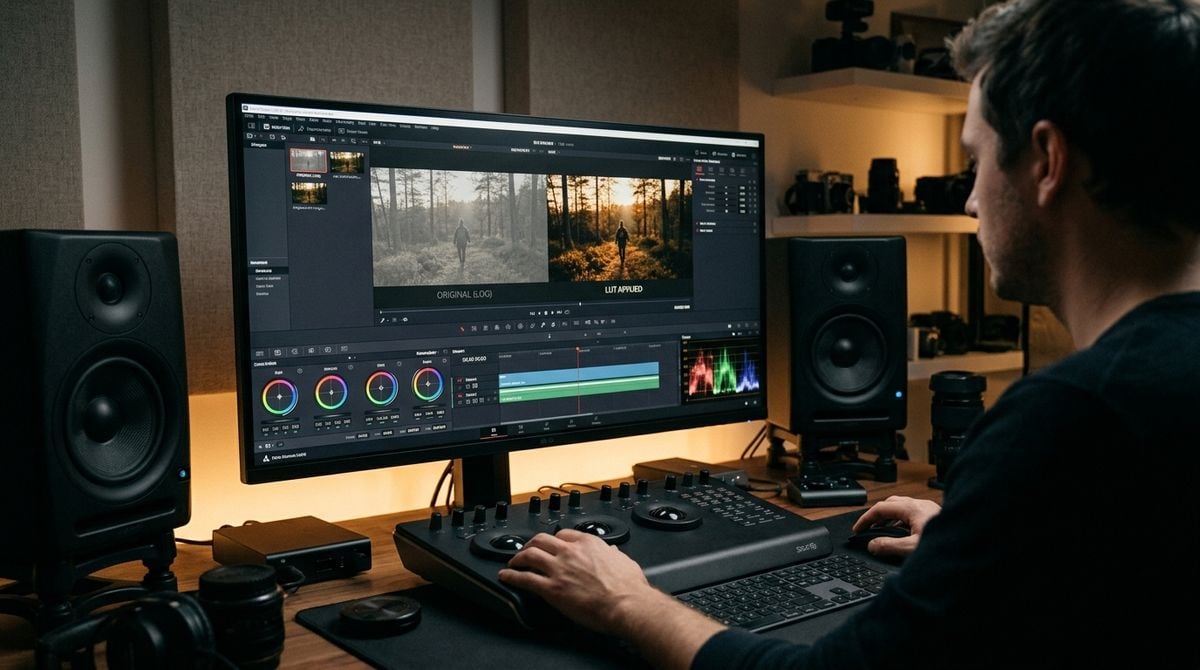
Car businesses have long depended on word of mouth, with satisfied owners recommending a shop to friends and neighbors. Short video clips now sit beside that tradition, and many dealers and repair shops are experimenting with them. The newer format travels further online, yet the old trust-building habits still decide whether a viewer believes what they see.
This article compares video testimonials with the classic referral, then explains how to gather and present them responsibly. It keeps to general marketing practice and avoids promises about results. The sections cover consent, filming, placement, and measurement, in that order. Each one focuses on a single decision a shop is likely to face.
Where Video Stories Beat Written Reviews
Written reviews remain useful, but a short clip gives a viewer a sense of the speaker’s tone and sincerity. A customer describing a brake job in their own words can answer questions a star rating never addresses. Video also helps a small garage show the personality of its staff, which many shoppers find reassuring. Readers may also want to visit The Candid RD.
Still, video has limits. A polished clip can look like advertising, and viewers have learned to notice scripted language. Word of mouth carries a different kind of credibility, because it comes from a friend who has no reason to perform. A balanced approach uses both, letting clips show the experience while the community conversation supplies trust.
Asking Customers for Permission Before Filming
Every clip begins with consent. Ask the customer clearly whether they are willing to be recorded, where the clip might appear, and how long it will remain online. Write the agreement down, have it signed, and keep a copy on file. A customer who feels rushed may agree to something they later regret.
Give the customer the option to say no, and make that answer easy. Never pressure a customer to appear on camera, and never tie a discount to a favorable script. Let the customer speak in their own words, and invite them to review the clip before it is posted. You can also visit teamvodkamartini.net for more reading. Keep the signed form with the job record, so the agreement is easy to find if a question arises later.
Filming and Editing With Restraint
Simple equipment works well. A steady phone on a stand, a quiet room, and good daylight produce a clear picture. Ask the speaker to answer three or four plain questions: what the problem was, what the team did, and what the customer noticed afterward. Keep the clip short, usually under a minute, so the main point lands quickly.
Editing should preserve the speaker’s meaning. Trim pauses and background noise, but avoid cutting sentences in ways that change the sense. Add captions so viewers can follow along without sound. For a related read on this site, see Seasonal Campaigns for Garden Shops and Clubs in. Keep the original file in case a question about the clip comes up later.
Placing Clips Where Shoppers Look
A clip works best on the page that answers the shopper’s question. A brake clip belongs near brake service information, not buried in a general gallery. Include the customer’s first name only if they agree. A short written summary below the video helps readers who prefer to skim. Captions and a written transcript near the clip help people who watch without sound or who use assistive tools. Place the transcript in the page text so search tools can read it as well.
Avoid placing every clip on the homepage. A variety of short pages lets shoppers find the stories that match their needs. Review the placement each season, and move any clip that no longer fits the services offered. Accuracy matters more than volume, so remove any clip that describes a service the shop no longer performs.
Measuring What Video Adds to Word of Mouth
Track how many visitors watch a clip, how long they stay, and whether they contact the business afterward. Compare those signals with the results from referrals and reviews over the same period. Look for patterns rather than single spikes, since one popular clip can distort the picture. A useful test is to ask new customers how they first heard of the shop and record the answer.
Ask a sample of recent customers whether a clip changed their view of the shop, and note the words they use. Their language often gives better ideas for the next clip than any internal brainstorm. Keep those notes with the consent forms so the team can see which stories were shared and why.
Keep the measurement simple and honest. A small garage can use a notebook or a basic form, and the team can review the notes at a regular meeting. Where a clip performs poorly, ask whether the topic was unclear or the audience was wrong. The answers guide the next round of filming without requiring complex tools. A small habit like this keeps the team focused on evidence rather than habit.
Keeping Trust at the Center
Video testimonials can strengthen a car business, but they should support the relationships that already bring customers back. Obtain consent, keep the editing honest, and place each clip where it helps a shopper. Those basics guided good businesses long before cameras became common, and they still provide the clearest path to credibility.
SME Paid Under
 Chris Turn